The Neighborhoods of Seoul.
Are you Seoulacious?
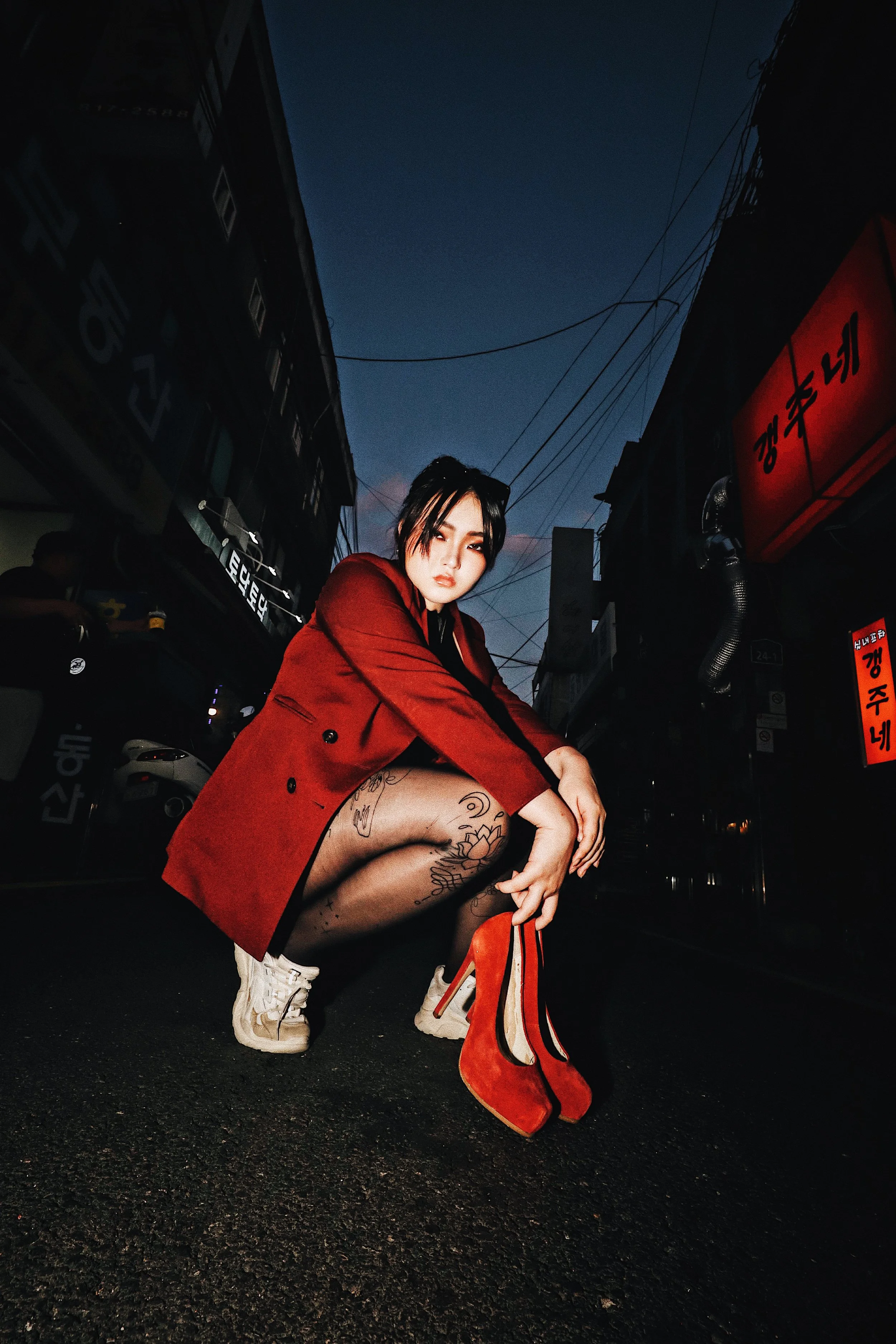
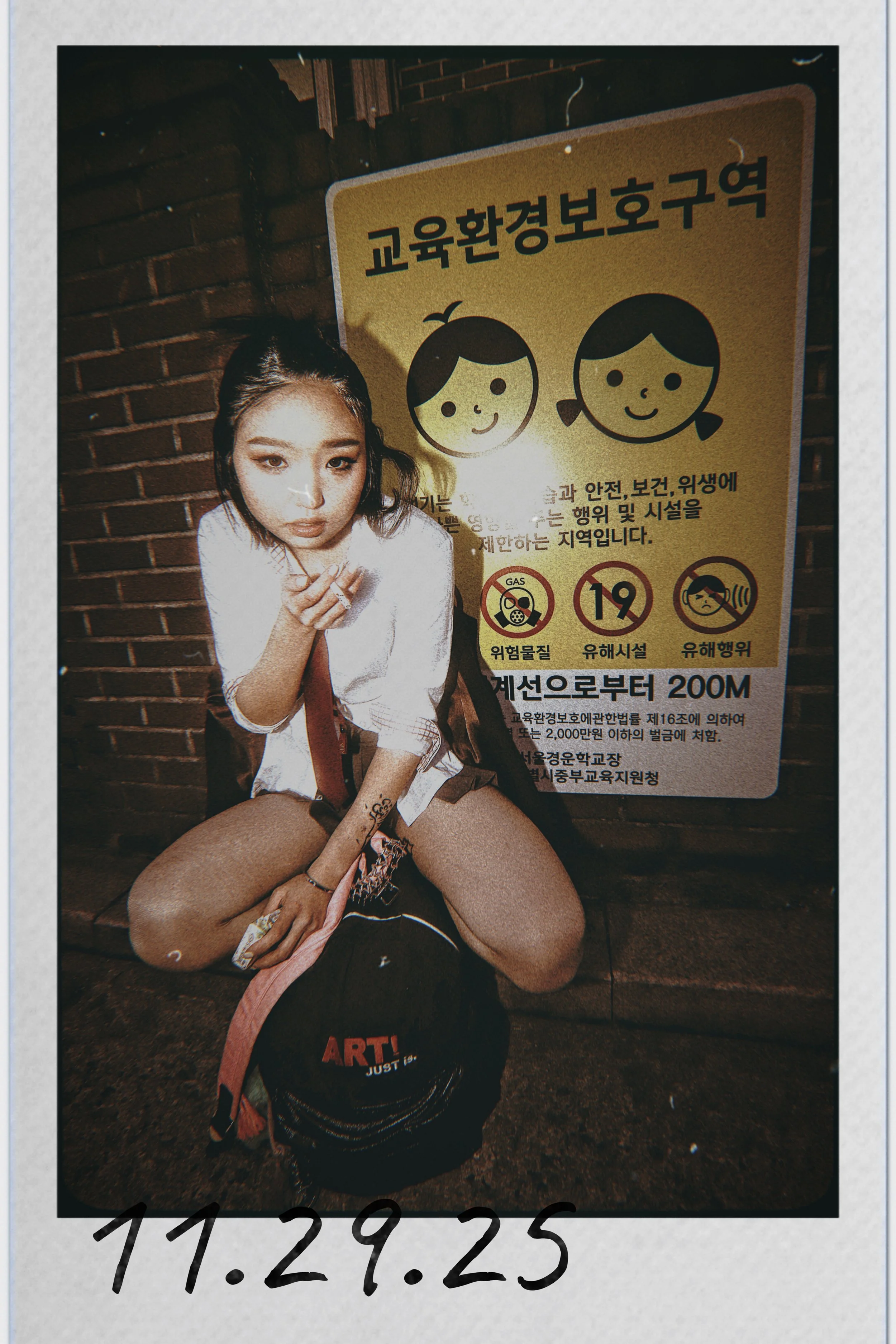
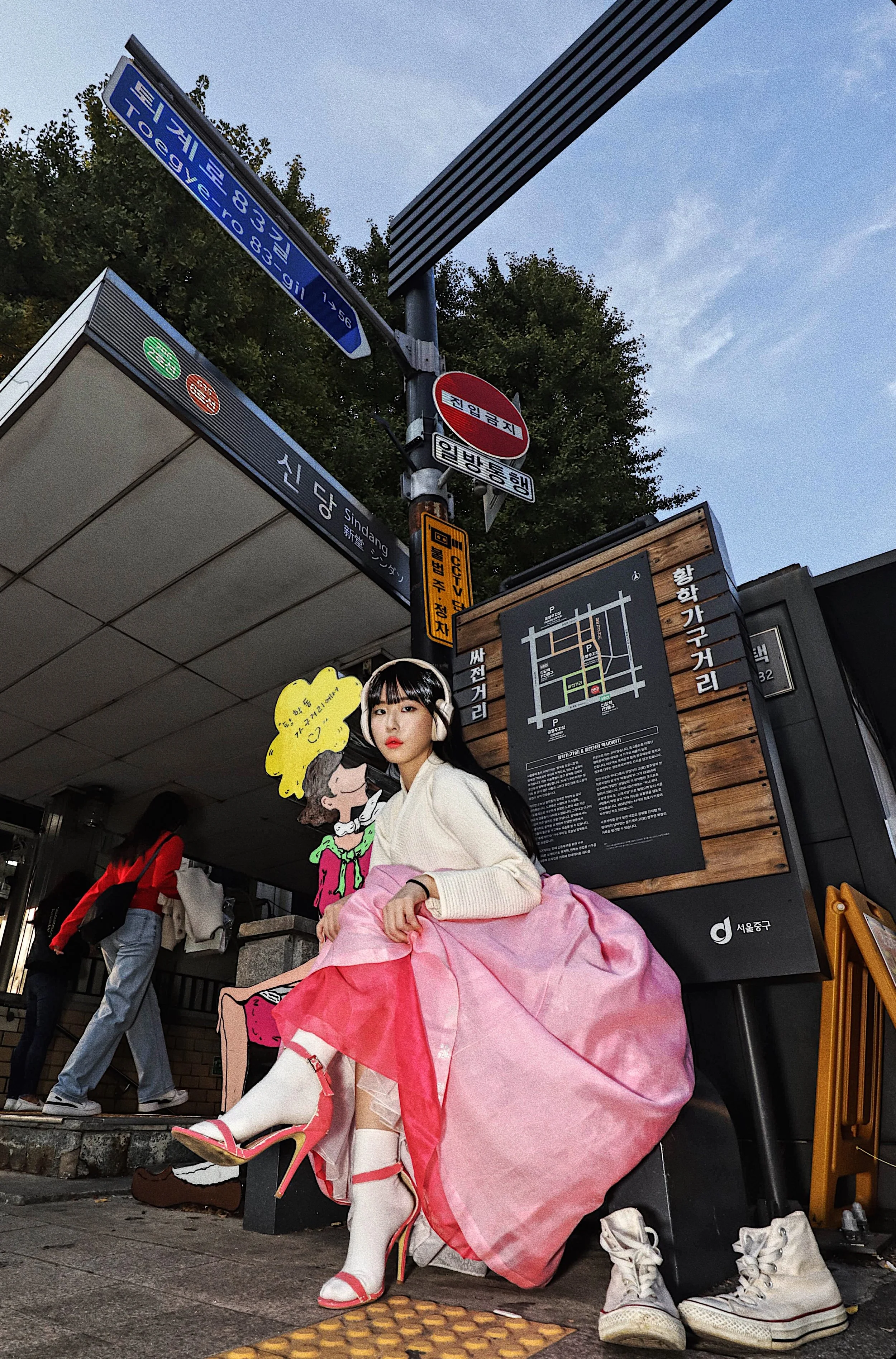
SEOULACIOUS is Seoul with edge—Korea's capital refracted through geography and attitude, academic rigor and salacious honesty. It's both phenomenon and theory: Seoul fashion isn't influenced by space, it's produced by space. Korean sociologists call it "flexible sociality"—identity performance shifting according to spatial context. The same garment codes completely differently in Hongdae versus Gangnam because each neighborhood operates as a distinct semiotic system. Where incongruent urban interfaces collide—traditional markets meeting luxury retail, student zones bleeding into corporate districts—you get compressed friction points that function as fashion laboratories. We've mapped these urban singularities and tracked what they produce. We tell you what gentrification does to creative output, how class anxiety spatially determines performance, and why "hot" neighborhoods lose their generative capacity precisely when they become hot. Longitudinal cultural geography with critical edge. No one else is doing this.
Featured