SEOUL THEORY
SEOUL THEORY
Featured
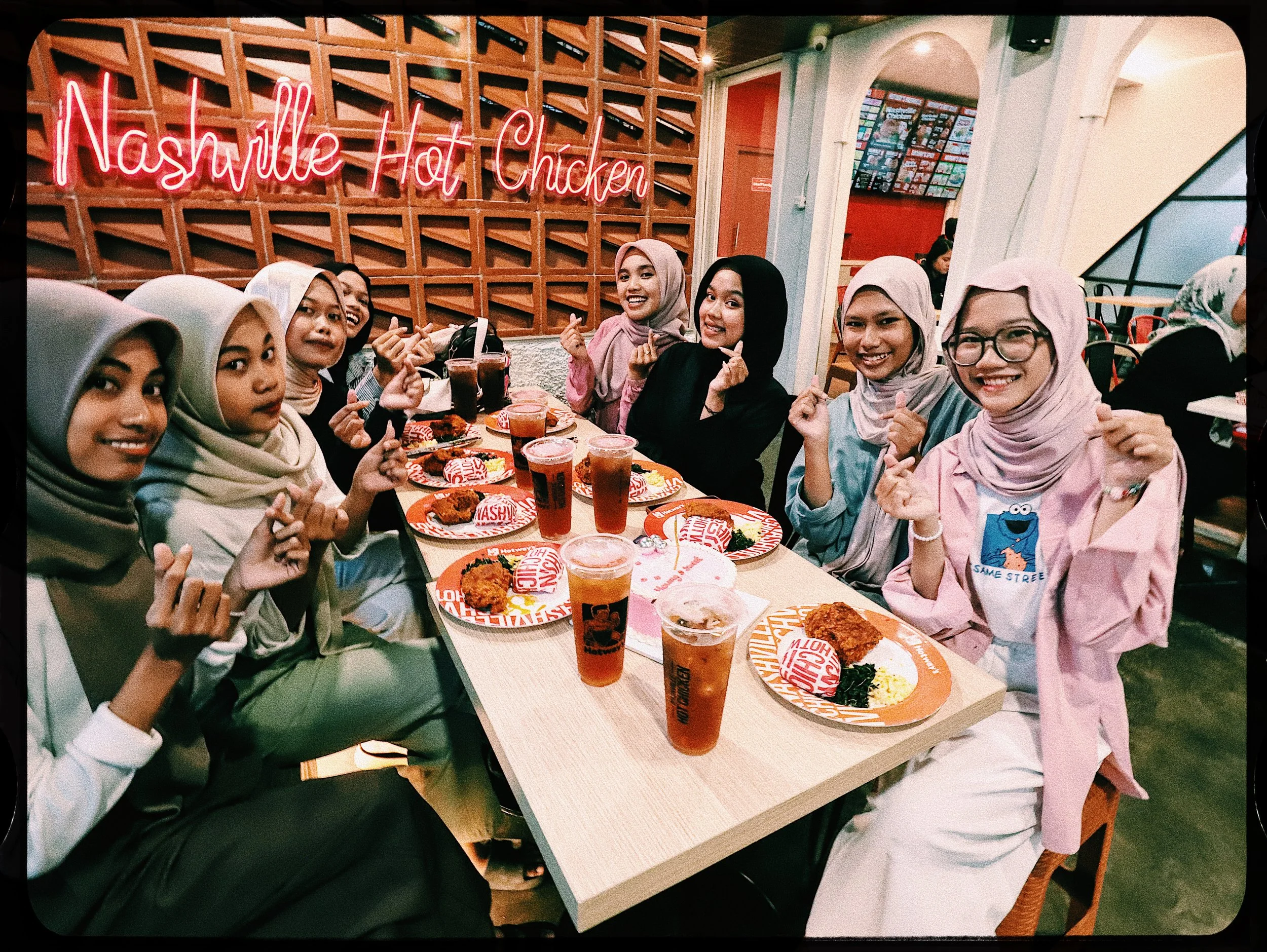

Korean soft power is so effective that Indonesian Muslim women label Turkish draping techniques, Malaysian styling traditions, and global color trends as "Korean"—not because they're confused, but because Korea has become THE cultural authority for what modern fashion looks like. This reveals how 21st-century cultural influence actually works, and it's more powerful than simple content export.
Seoul's redevelopment system (재개발, jaegaebal) displaces entire populations every 30-40 years through forced demolition and wholesale neighborhood replacement. From the violent 1988 Sadang evictions documented in the award-winning film Sanggyedong Olympics to today's Seongsu-dong clearances, Korea's unique urban transformation machine prioritizes property values over community survival. This investigation reveals how the legal framework that demolished 200 neighborhoods for the 1988 Olympics continues to erase Seoul's most vibrant districts—including the 50+ workshops, cafés, and galleries that made Seongsu a global "hot place." Unlike Western gentrification, Korean redevelopment (재개발) doesn't gradually displace residents—it replaces populations wholesale, transforming industrial heritage and creative clusters into identical apartment towers. The system that filmmaker Kim Dong-won risked persecution to document in the 1980s is demolishing Seoul's urban interface singularities today.
Climate change. Global capitalism. Digital culture. The forces shaping our lives are too vast to see—until you walk into a Seoul café. How the world's most interface-dense city turns invisible hyperobjects into Instagram-worthy hot places, one converted factory at a time.