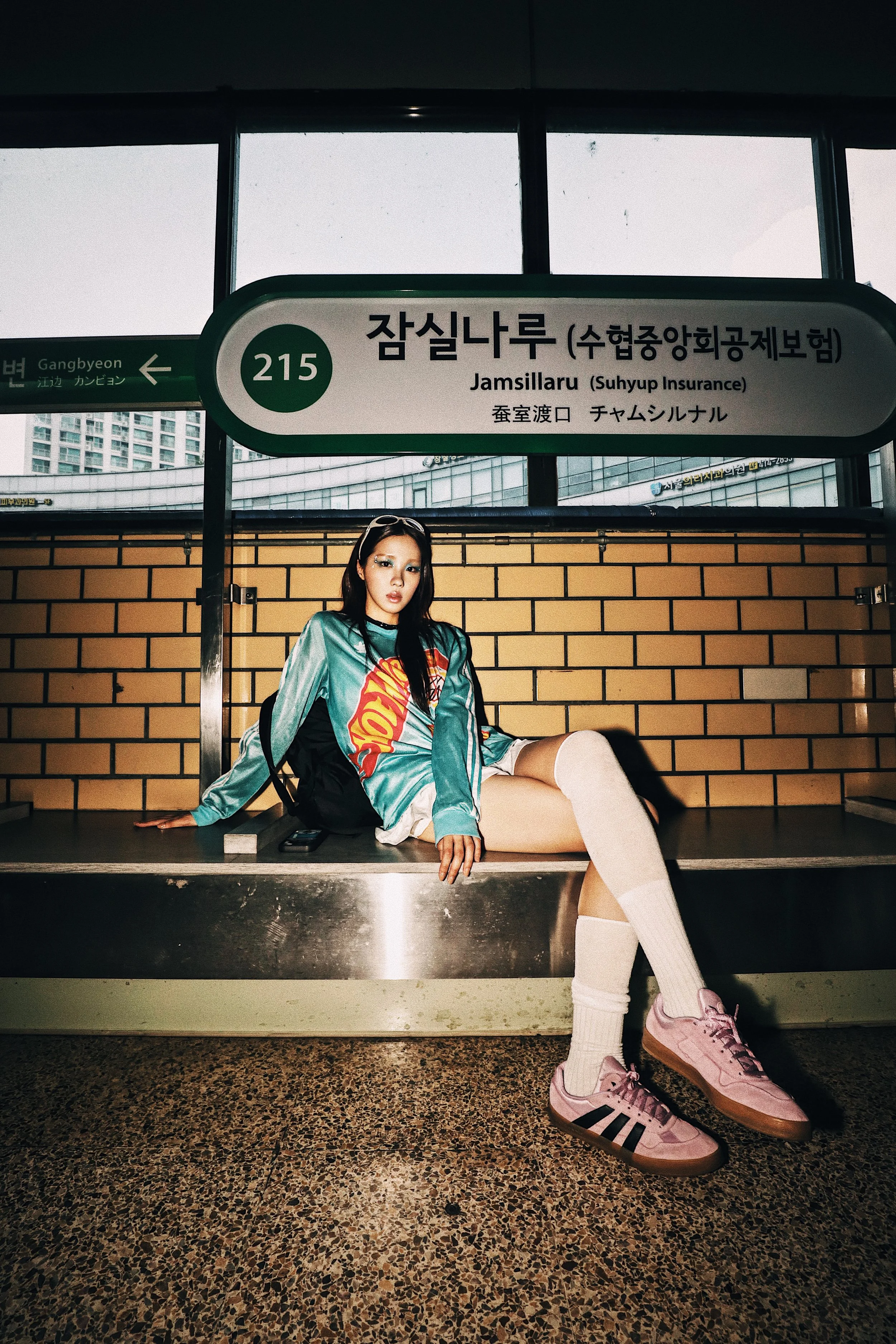
A district government branded the look. A platform paid 329 million won for a subway station's name. A German company opened a flagship it's calling a homecoming. One photo shoot walked through all three — then got on a train to the one stop in Seoul nobody's found a way to sell yet.
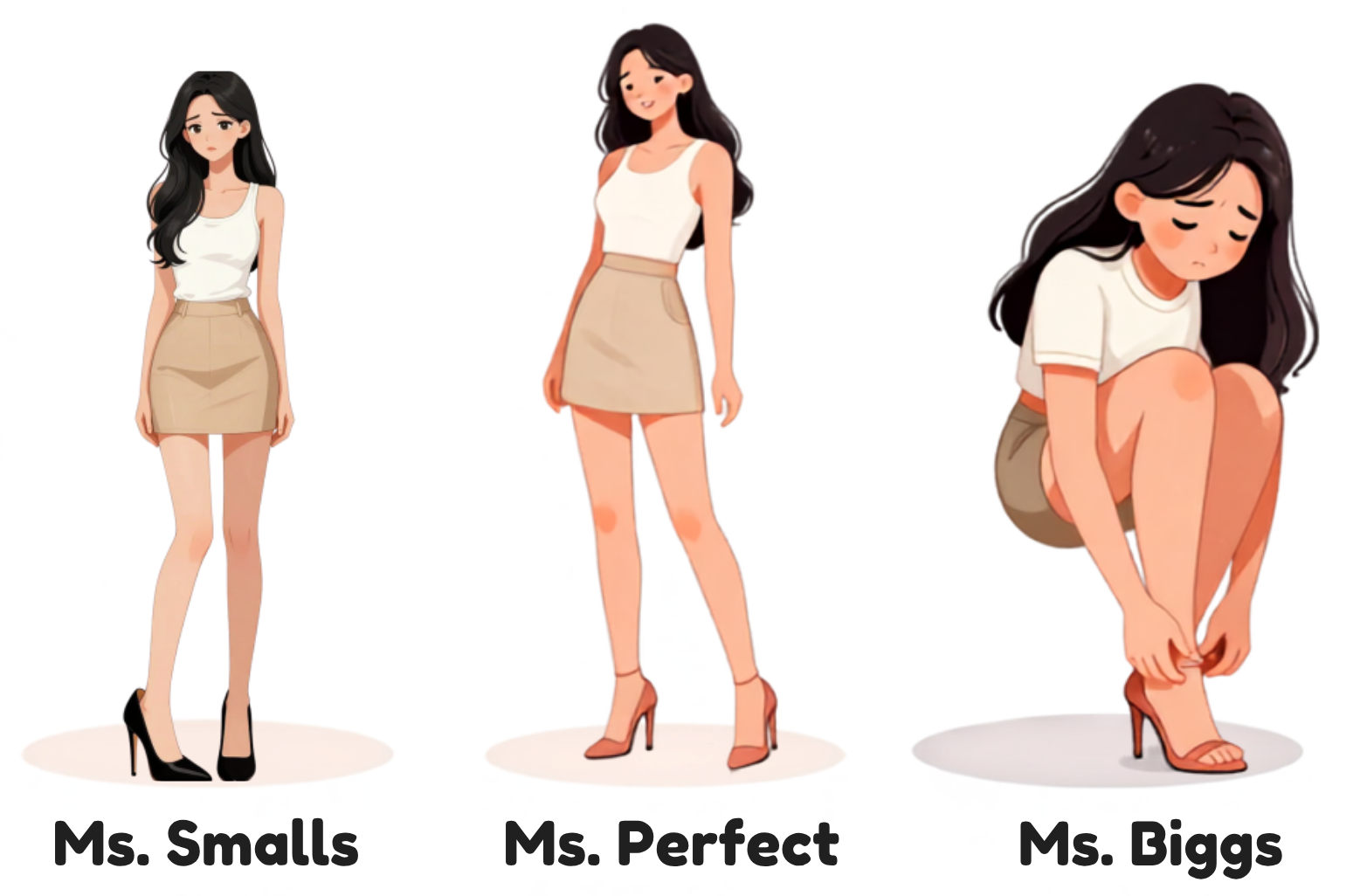
Every fitting room in Seoul has a moment: a top that won't close, a tag that just says "FREE," and the quiet feeling that it's your fault. It isn't — and the actual explanation has nothing to do with genetics or vanity. It runs through a 1970 factory protest, a government's broadband gamble, and one 22-year-old's closet in 2005 that quietly became the size an entire country's fashion industry was built around.
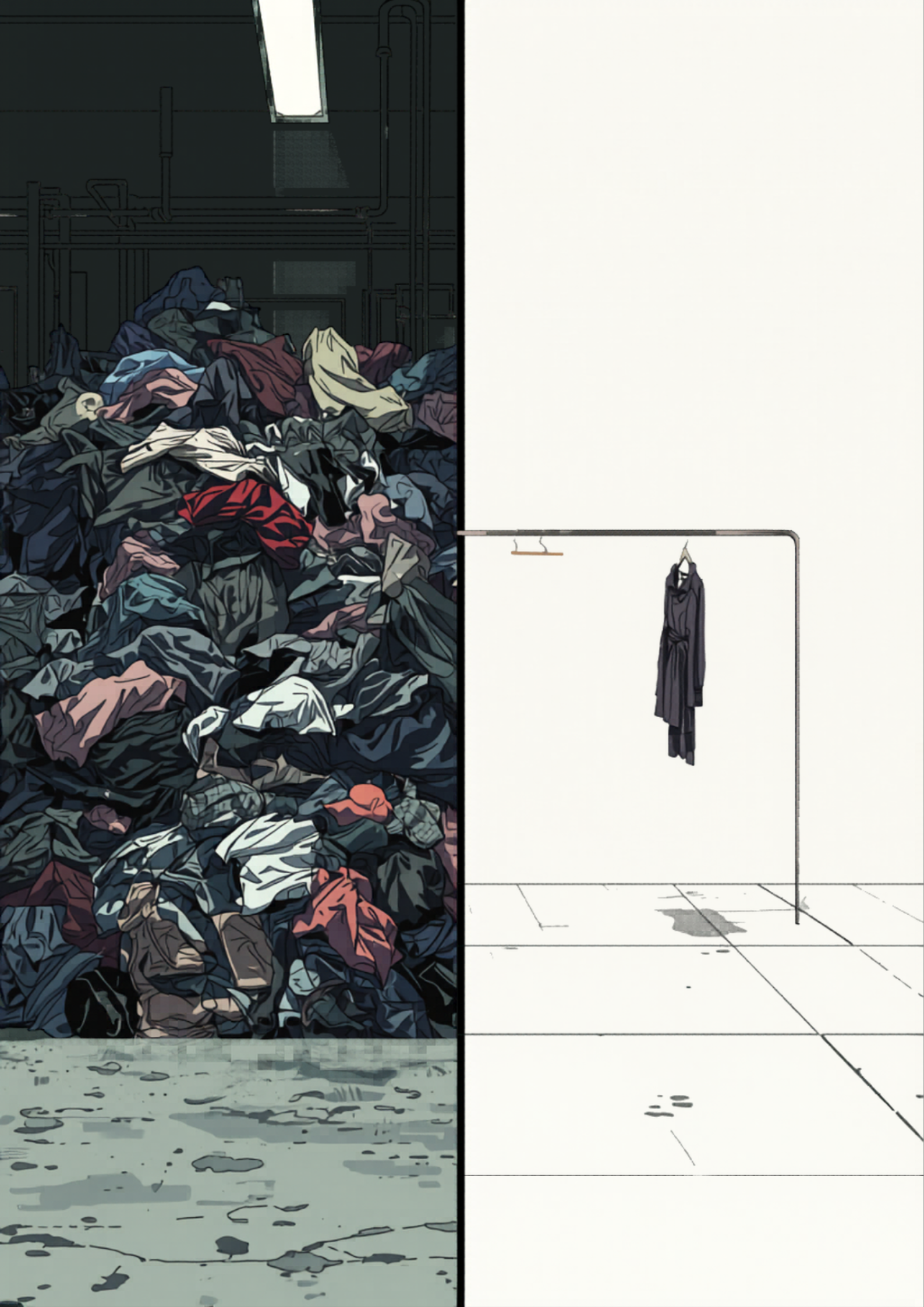
Seoul's "vintage" stores aren't selling old clothes — they're selling the performance of finding them. A deep-dive into Korea's ₩43 trillion fashion fraud and what it reveals about hypermodern consumer culture.