
Think sharp. Look smart. Act sexy.
Be Seoulacious.
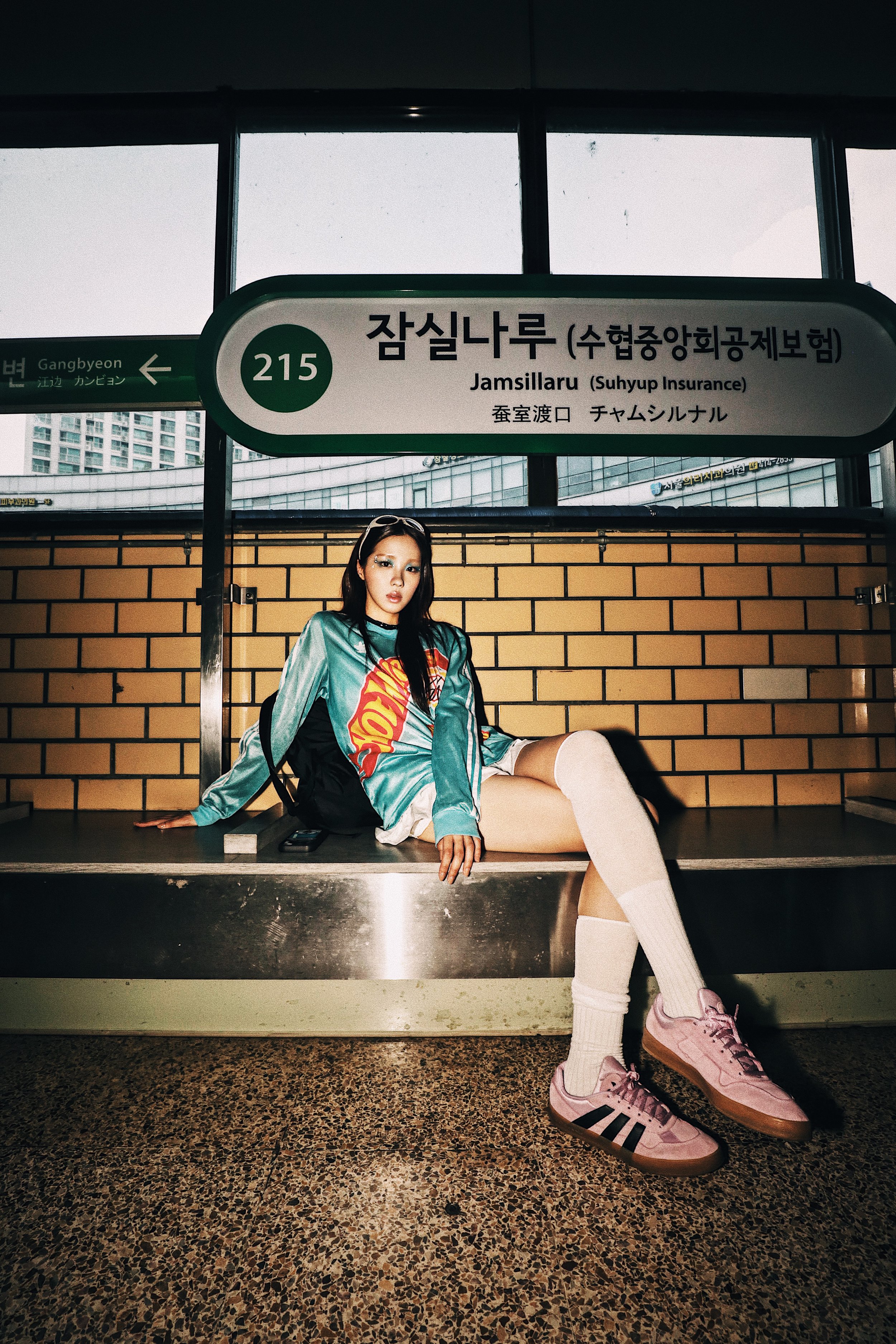
Summer 2026
“A Swiftly
Tilting City”
How Seoul Got Truly Hot and Global
Summer 2026
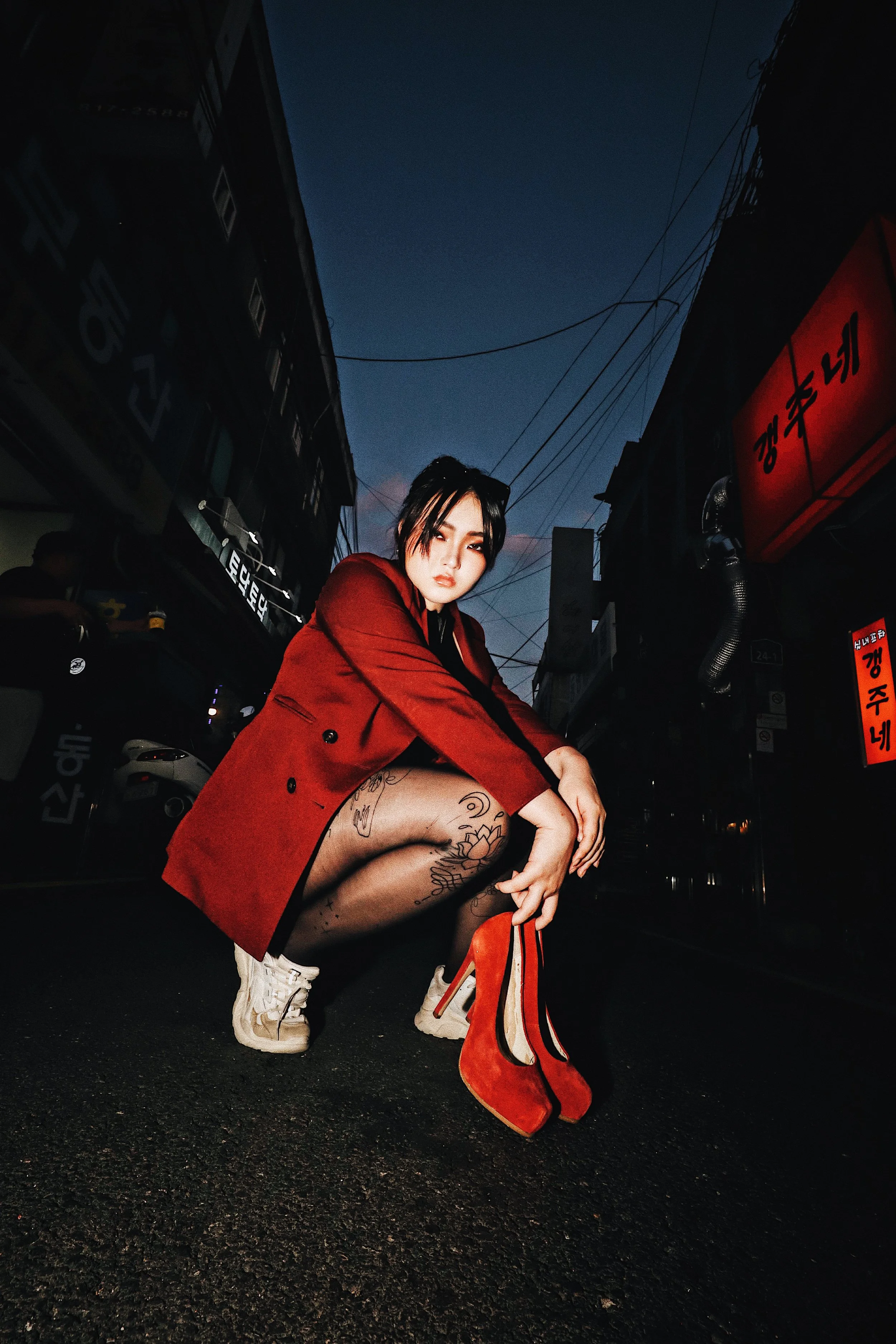
회식 (Hoesik): A Field Guide to Surviving Mandatory Office Fun
A fashion fictorial set across one hoesik (hweh-shik) night in Seoul's contested Heuknidan-gil neighborhood. Five women — Cool Boss, It Girl, Pretty Maknae, Last Round, and Paepi — navigate Korea's mandatory company dinner culture in all its unwritten rules, gender politics, and after-midnight consequences. With fashion commentary on 출근룩 (chulgeun-look) office style culture, the death of university MT (Membership Training), MeToo's impact on Korean workplace harassment law, and what changes when the boss is a woman.
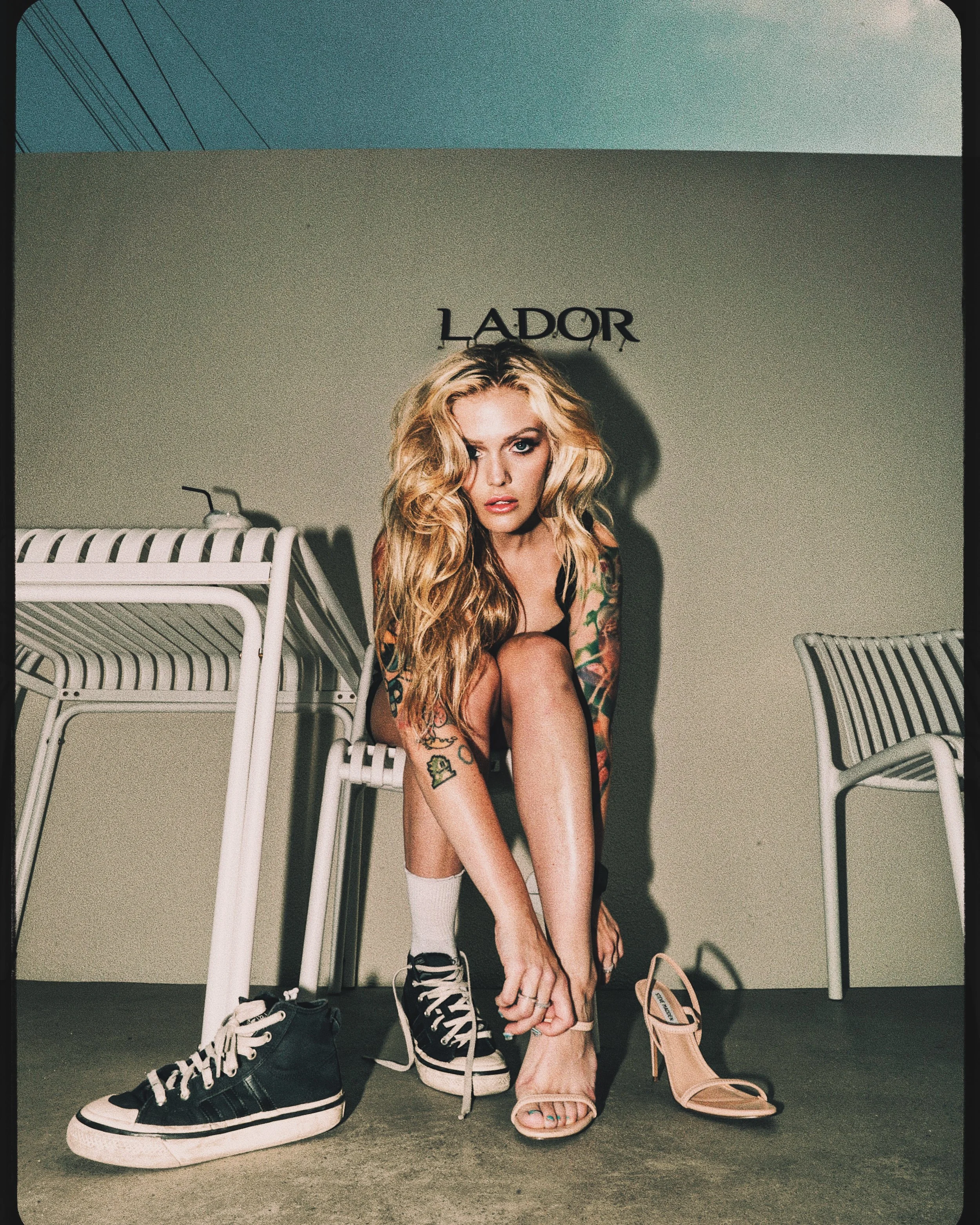
The Machine That Eats Neighborhoods Wholesale: How Korean Redevelopment Actually Works
Seoul's redevelopment system (재개발, jaegaebal) displaces entire populations every 30-40 years through forced demolition and wholesale neighborhood replacement. From the violent 1988 Sadang evictions documented in the award-winning film Sanggyedong Olympics to today's Seongsu-dong clearances, Korea's unique urban transformation machine prioritizes property values over community survival. This investigation reveals how the legal framework that demolished 200 neighborhoods for the 1988 Olympics continues to erase Seoul's most vibrant districts—including the 50+ workshops, cafés, and galleries that made Seongsu a global "hot place." Unlike Western gentrification, Korean redevelopment (재개발) doesn't gradually displace residents—it replaces populations wholesale, transforming industrial heritage and creative clusters into identical apartment towers. The system that filmmaker Kim Dong-won risked persecution to document in the 1980s is demolishing Seoul's urban interface singularities today.
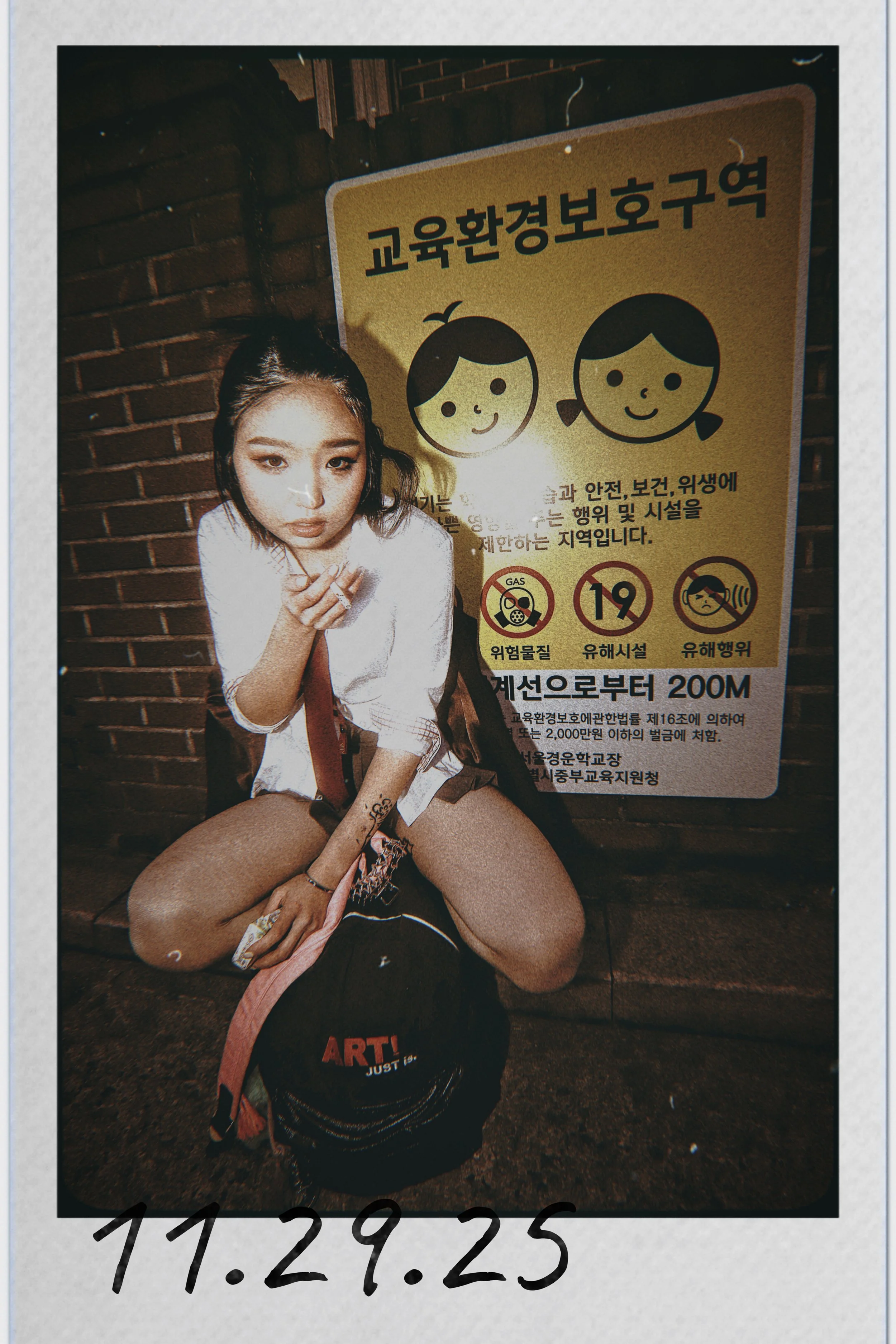
Fashion Fictorial: “The Photographs Remain”
A photo-narrative following an Iljin high school girl's day of escape through Seoul's Anguk-dong, from third-period truancy to late-night subway platforms. Documenting Korean youth rebellion culture, Instagram pose aesthetics, wariza sitting at KNOTTED cafe, school uniform transformations, and the tactical use of femininity in urban space. Features ethnographic detail on Korean street fashion, Bukchon hot places, photo selfie studios, and the performance of teenage identity in contemporary Seoul.
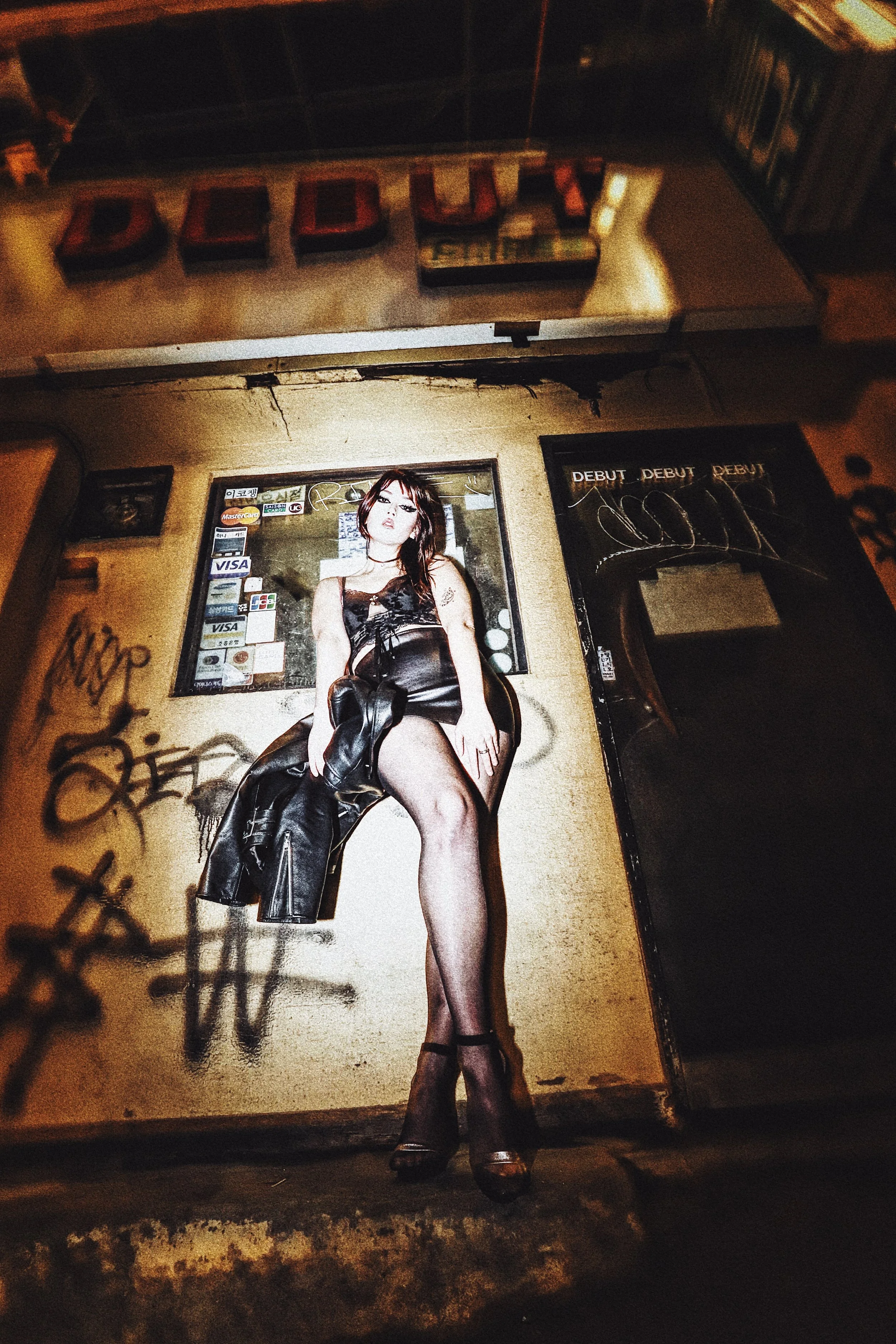
The Neighborhood That Korea Couldn't Name
For decades, Itaewon was the place respectable Koreans avoided—ground zero for American soldiers, sex workers, and everyone who didn't fit. But its foreign restaurants and Instagram-worthy cafés sparked "ladification" in the 2010s, drawing young women to spaces designed for aesthetic consumption. Then Netflix turned it into a symbol of freedom. Then 159 people died on Halloween. This is the story of how Seoul's most stigmatized neighborhood became its most celebrated, and why the transformation was always more symbolic than structural.
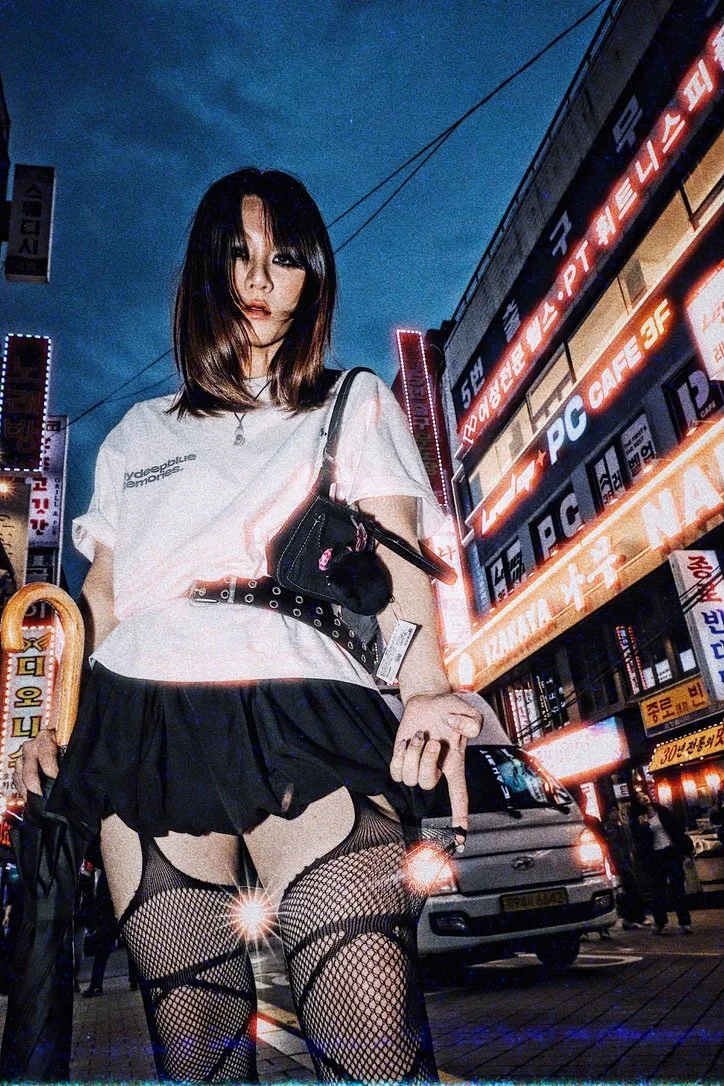
How Korea Made Garter Stockings Street Legal
The punk accessory from Balenciaga runways landed in Hongdae alleys—and nobody's asking permission anymore.
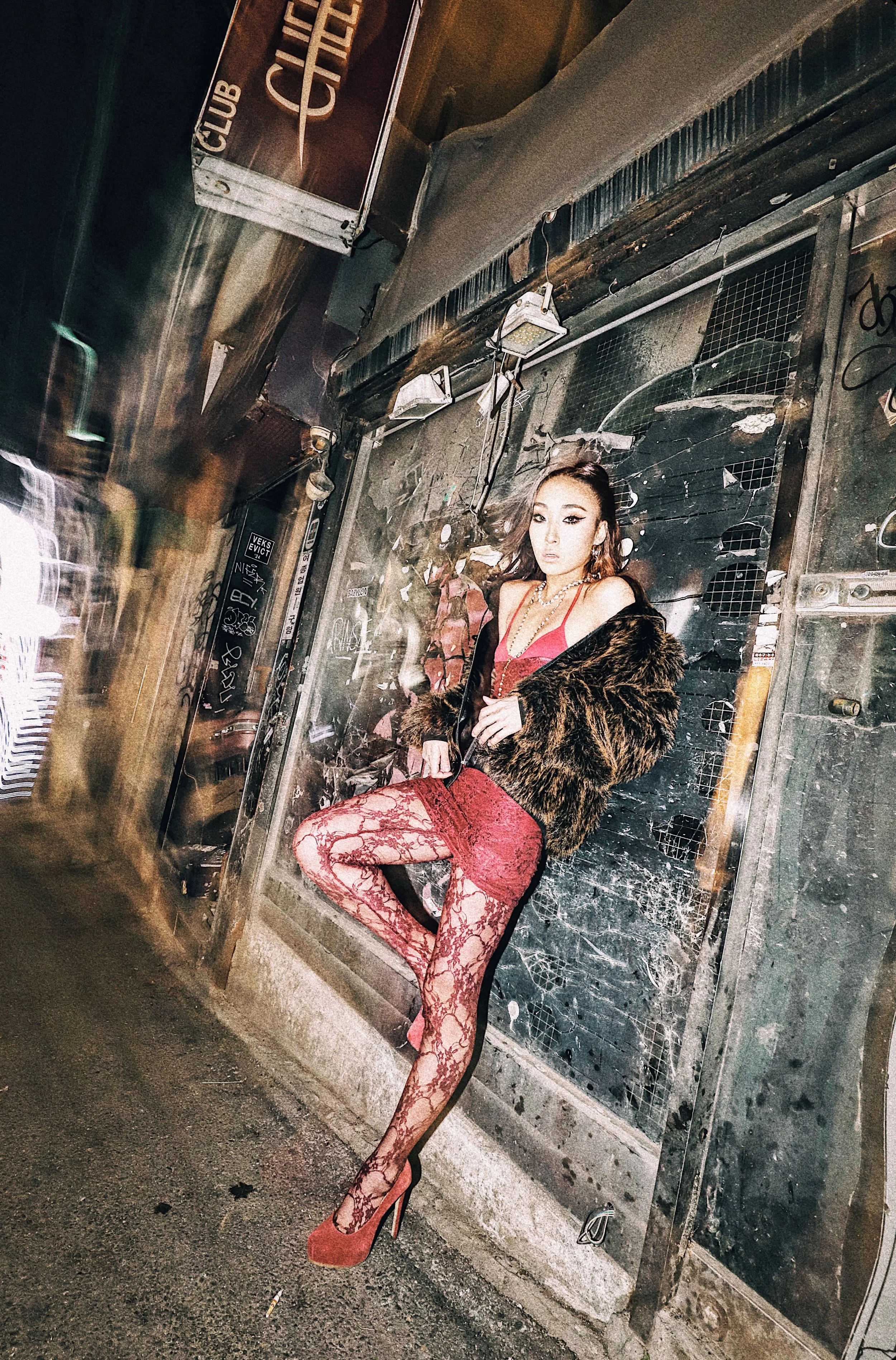
What you need to know about
The Neighborhoods of Seoul
Itaewon — from GI playground to global mecca.
Subscribe to our newsletter.
Sign up with your email address to receive news and updates.