
Think sharp. Look smart. Act sexy.
Be Seoulacious.
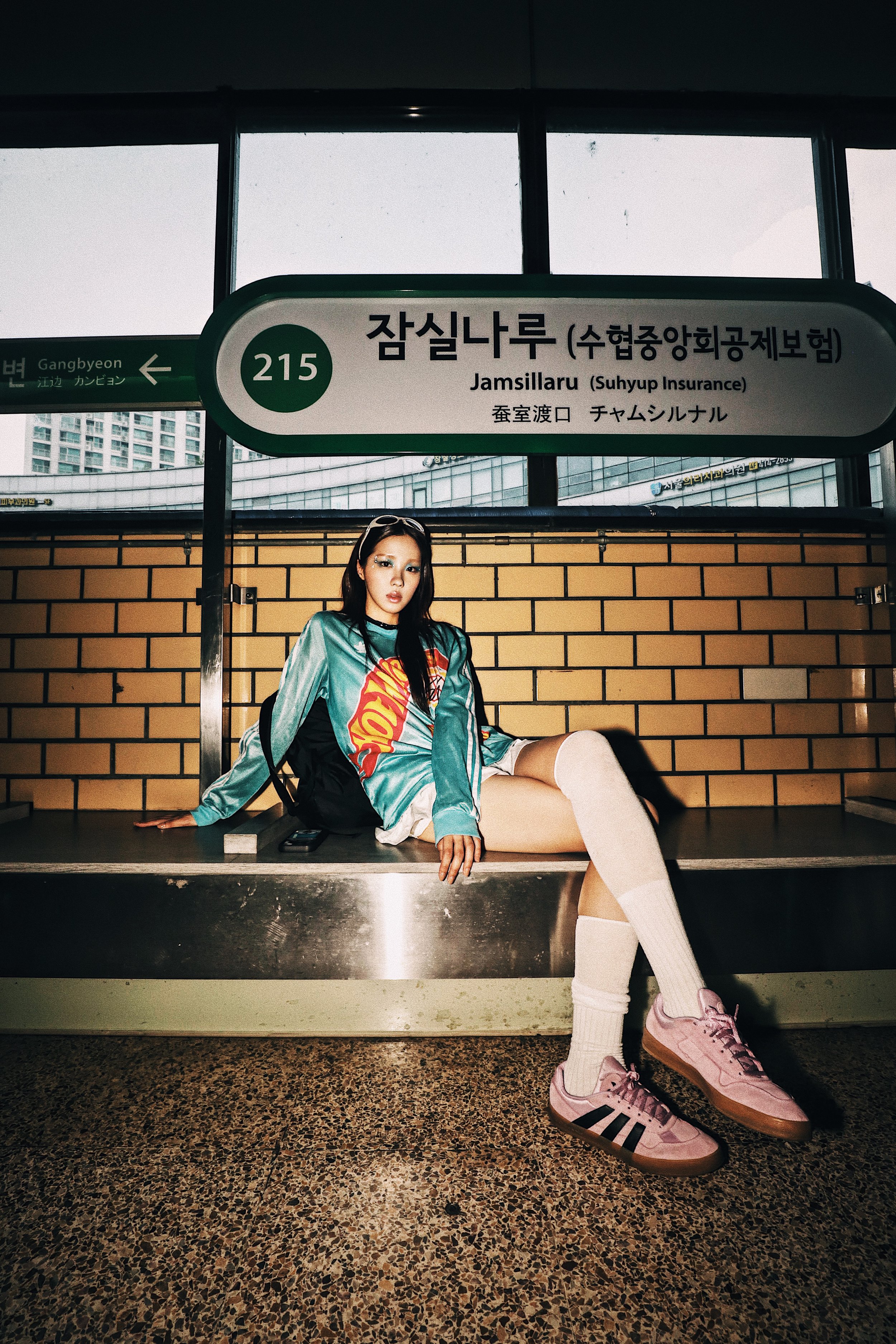
Summer 2026
“A Swiftly
Tilting City”
How Seoul Got Truly Hot and Global
Summer 2026
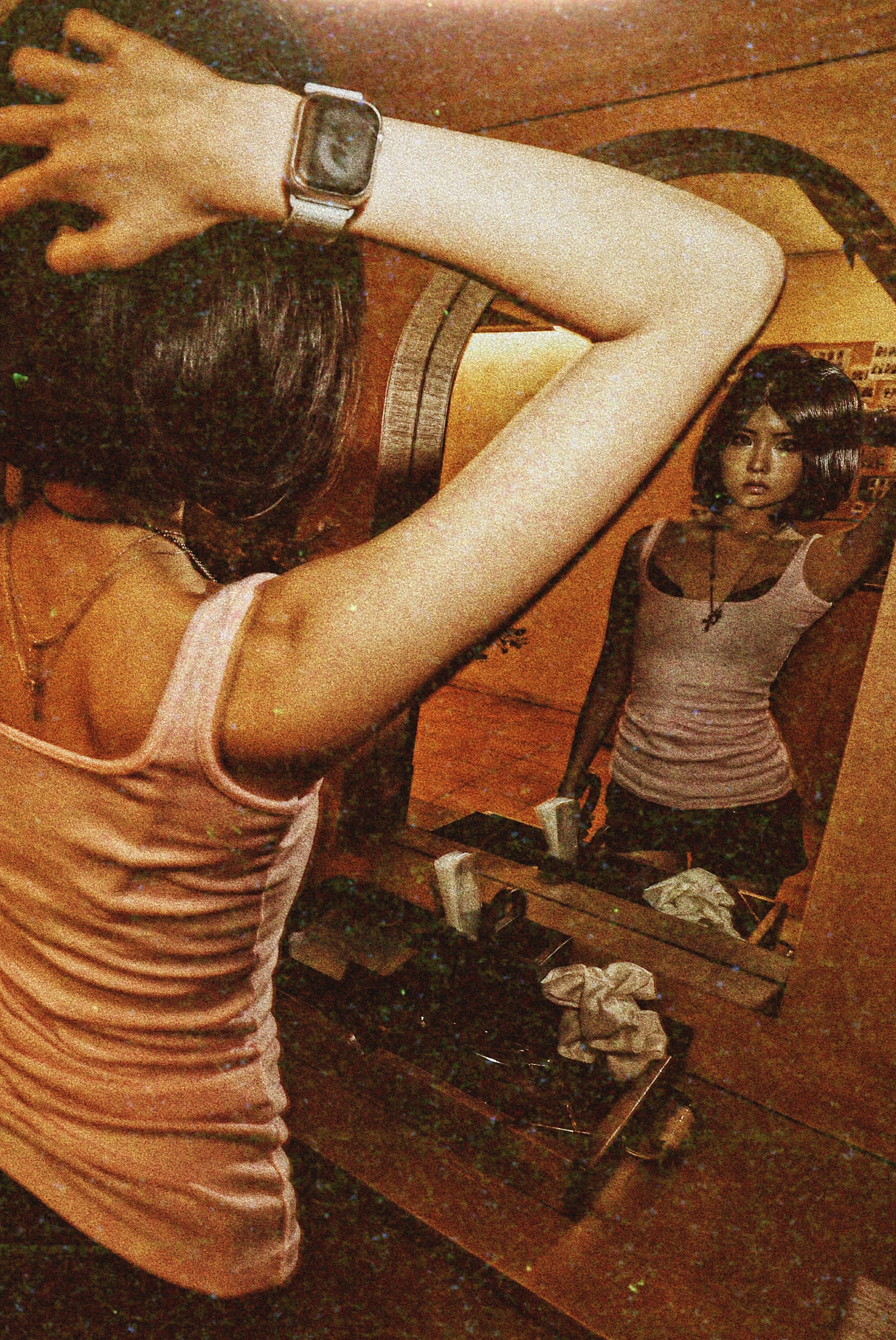
The Phantasmic Girls of Korea
Korea didn't just export K-pop — it manufactured a specific, industrially concentrated version of femininity, stripped of national markers so completely that women with zero Korean heritage now live inside it as their own identity. Drawing on girls' studies and cultural theory, this piece traces how "the girl" became Korea's most successful export — and what that means for the women, and men, the machine keeps rebuilding.
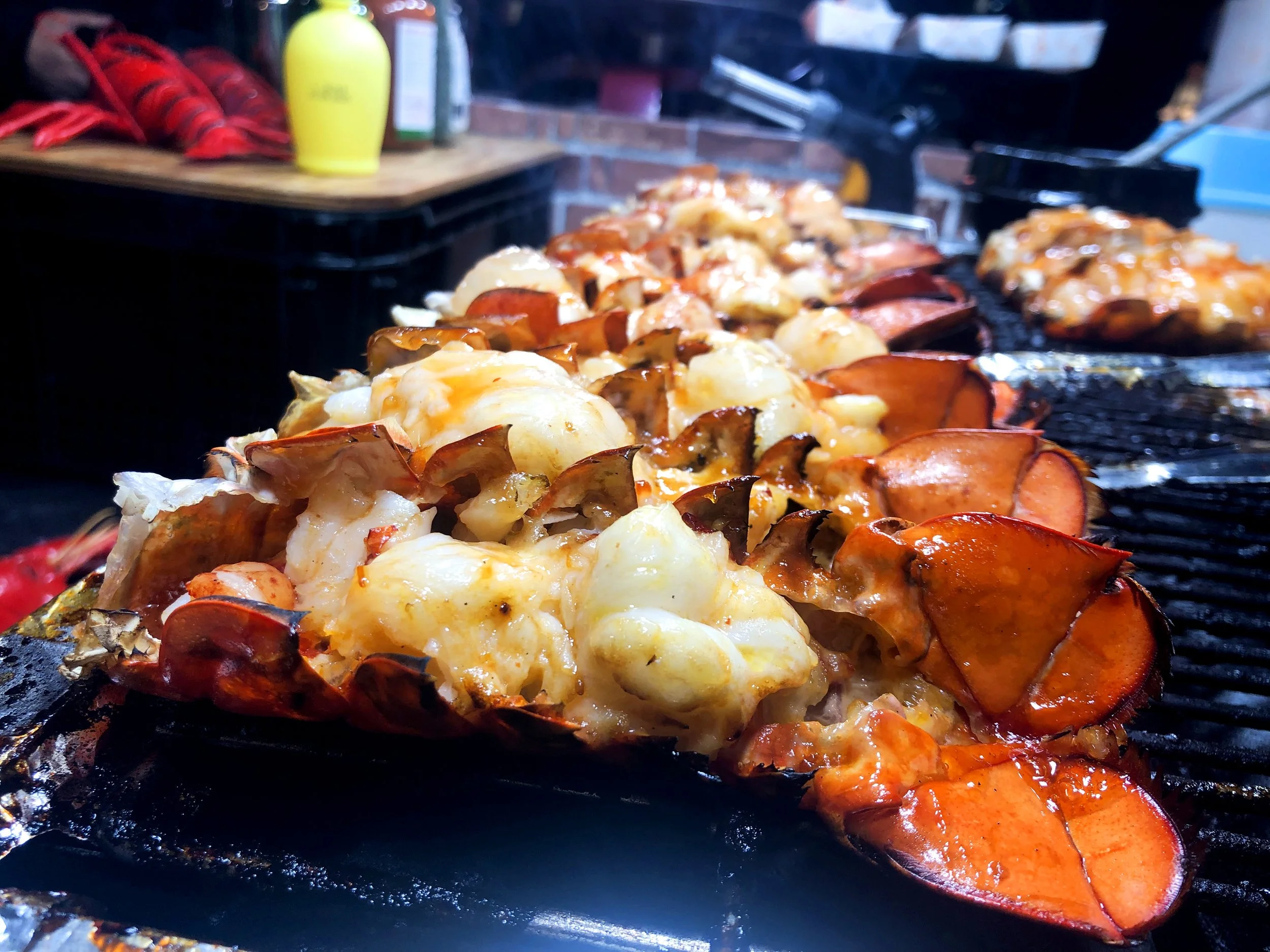
Certified Korea™: On Cheese Lobster Tails and the Official Sloppification of Knowledge about Korea
In the 2000s, the Editor told a Korean national branding committee that a state-run creator program would become a rubber stamp. They built it anyway. Now that positivity machine and the algorithm's engagement machine have converged — and a cheese-covered lobster tail in Myeongdong is the proof.

Read the Street With Your Feet: Getting Lost in Seoul on Purpose — Psychogeography and the Dérive
"Every 'Top 5 Neighborhoods in Seoul' post is a photocopy of a photocopy. This piece hands you something else: an actual method — borrowed from 1950s Parisian theorists and tested on Seongsu, Mullae-dong, and a 600-meter alley that once had three competing names — for reading any Seoul street yourself. No list required."
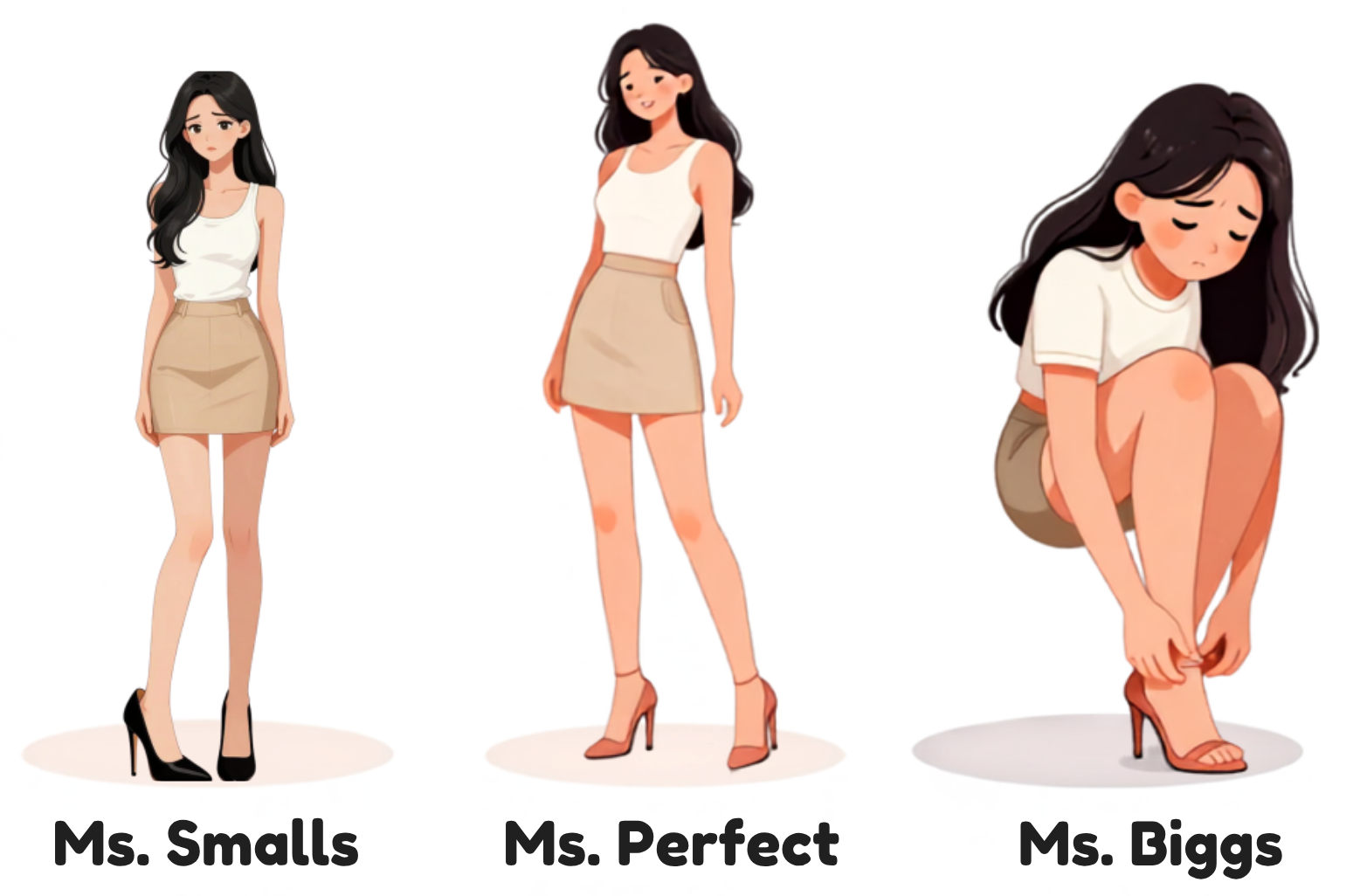
One Size for Nobody: The Secret History of How One Woman's Closet Became Korea's Fashion Size Default
Every fitting room in Seoul has a moment: a top that won't close, a tag that just says "FREE," and the quiet feeling that it's your fault. It isn't — and the actual explanation has nothing to do with genetics or vanity. It runs through a 1970 factory protest, a government's broadband gamble, and one 22-year-old's closet in 2005 that quietly became the size an entire country's fashion industry was built around.

Hope: The Seoulacious Review
A raw, sociological look at Na Hong-jin’s cosmic thriller HOPE, where the real horror isn't the monster, but Korea's abandoned countryside.
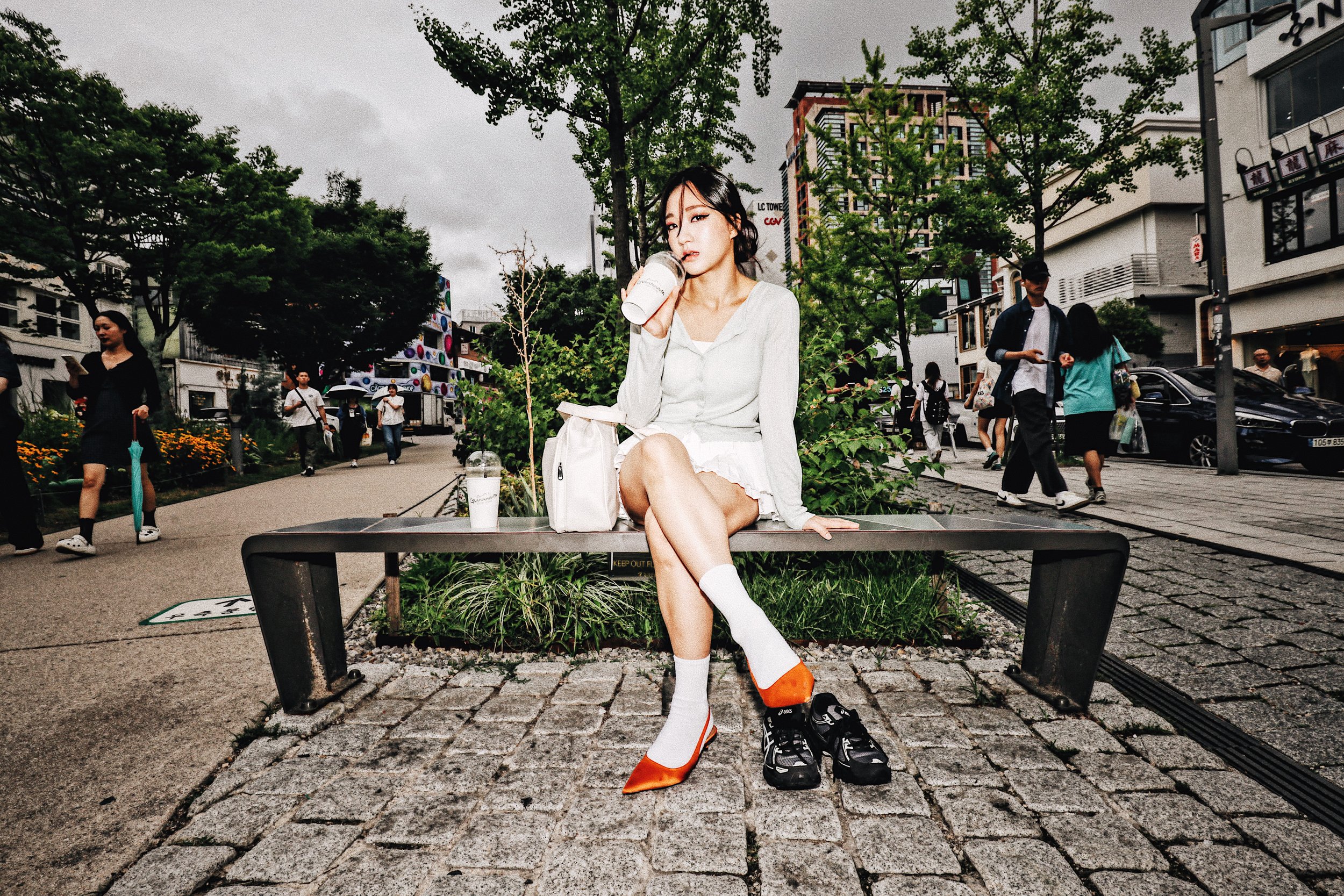
She's Not the Object. She’s the Verb.
Korean is a language where the verb comes last — you don't know what a sentence means until it ends. Seoul works the same way. A slur born from a Starbucks cup, a 1927 cartoon mocking a "modern girl," and a century of media telling women to stop being so visible: none of it worked. It just built the city instead.
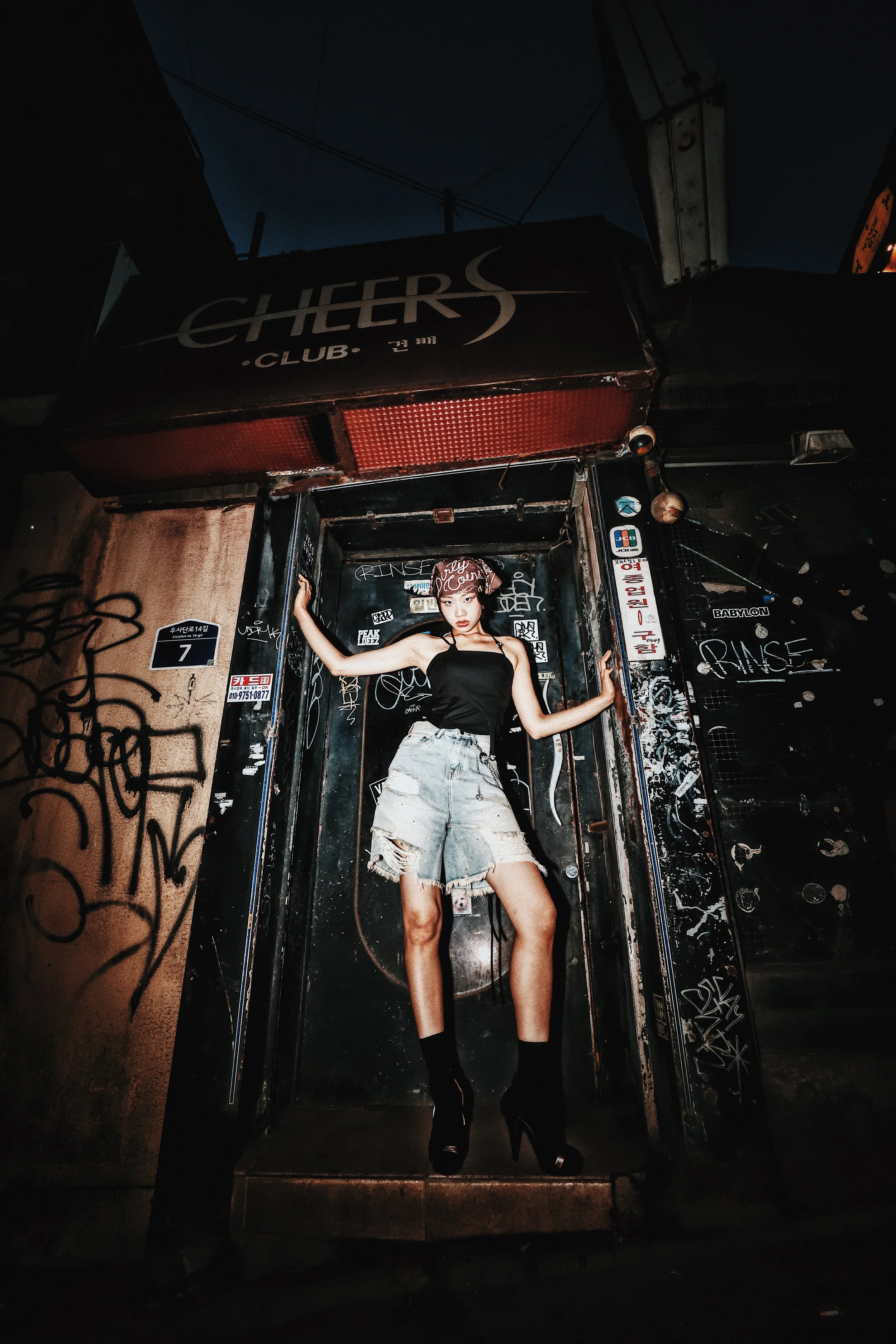
UNCUT SEOUL: What Korea Was Ashamed Of Is What the World Fell in Love With
Two neighborhoods. Two songs. Two versions of Korea — the one the world thinks it knows, and the one that actually built everything. SEOULACIOUS's UNCUT SEOUL series shoots Seoul straight: one face per place, every picture a kill shot. This is where we start.
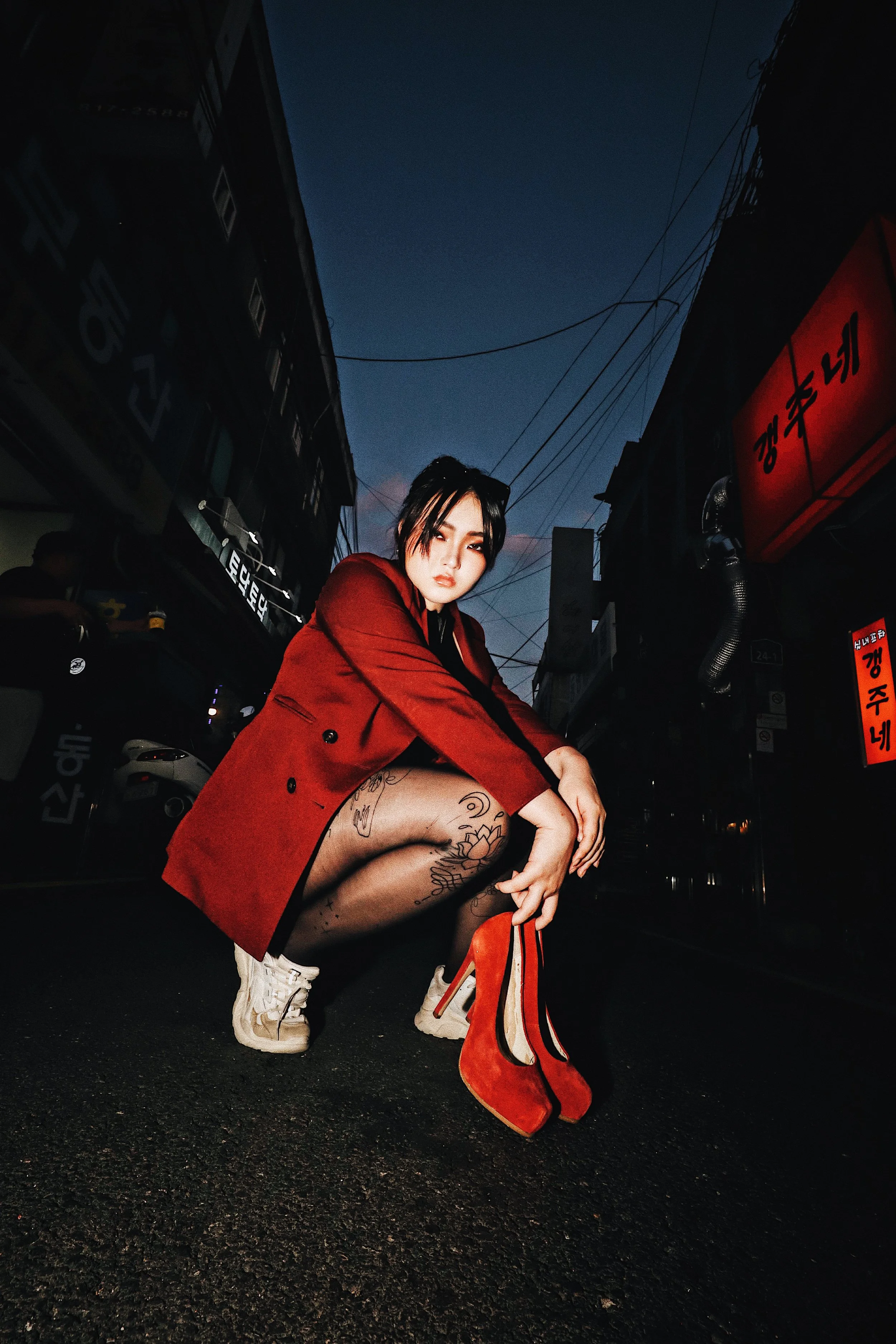
회식 (Hoesik): A Field Guide to Surviving Mandatory Office Fun
A fashion fictorial set across one hoesik (hweh-shik) night in Seoul's contested Heuknidan-gil neighborhood. Five women — Cool Boss, It Girl, Pretty Maknae, Last Round, and Paepi — navigate Korea's mandatory company dinner culture in all its unwritten rules, gender politics, and after-midnight consequences. With fashion commentary on 출근룩 (chulgeun-look) office style culture, the death of university MT (Membership Training), MeToo's impact on Korean workplace harassment law, and what changes when the boss is a woman.
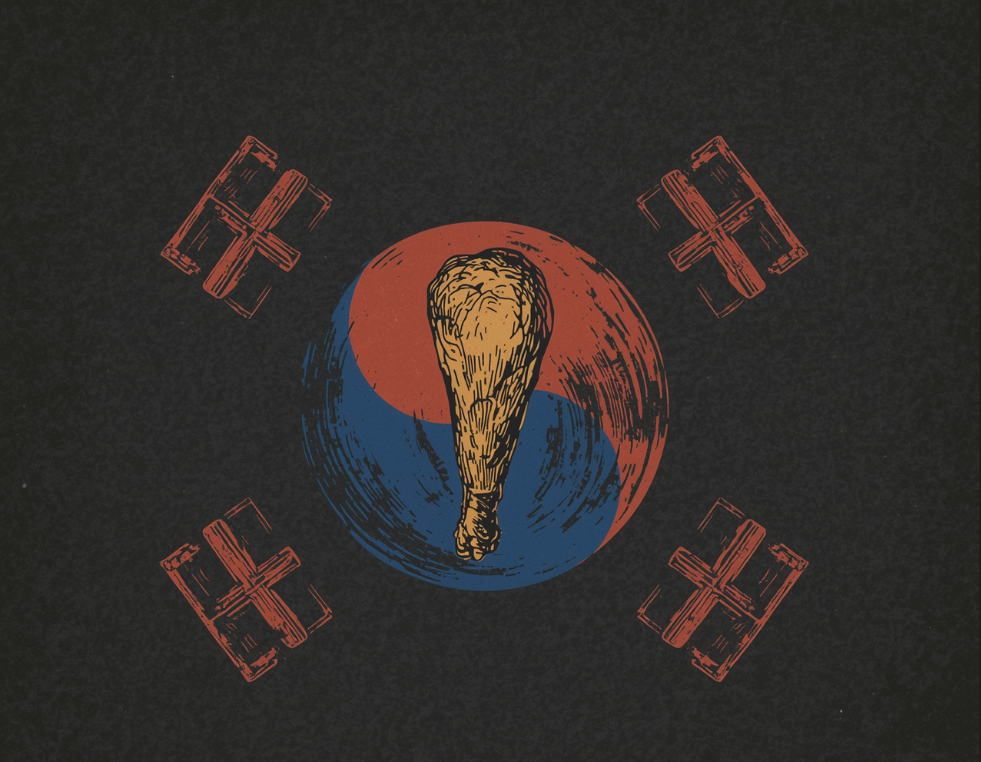
Who Founded the Fried Chicken Republic of Korea? (It Ain’t Who You Think)
The story everyone tells involves Black GIs, a military base, and a feel-good moment of cross-cultural transmission. The story that actually happened involves cooking oil, a financial crisis, and a man in Daegu who gave away the most valuable recipe in Korean food history.

The Outfit That Doesn't Want You to See It — Until It Does
꾸안꾸 (gguan-ggu) isn't effortless style — it's a three-stage social performance that hides effort, performs ease, then delivers a calculated close-range reveal. FashionChingu calls it a trend. A sociologist with 127 interviews and 37 seasons at Seoul Fashion Week calls it a theory of power. Here's what the listicles missed.

ATTACK OF THE 50-BILLION-WON SPACESHIP!!! Or, the New Cultural Vandalism Dressed Up as Policy
Seoul politicians want to demolish Zaha Hadid's DDP—the world's largest parametric building and her final masterwork. Why architectural vandalism is becoming election strategy.
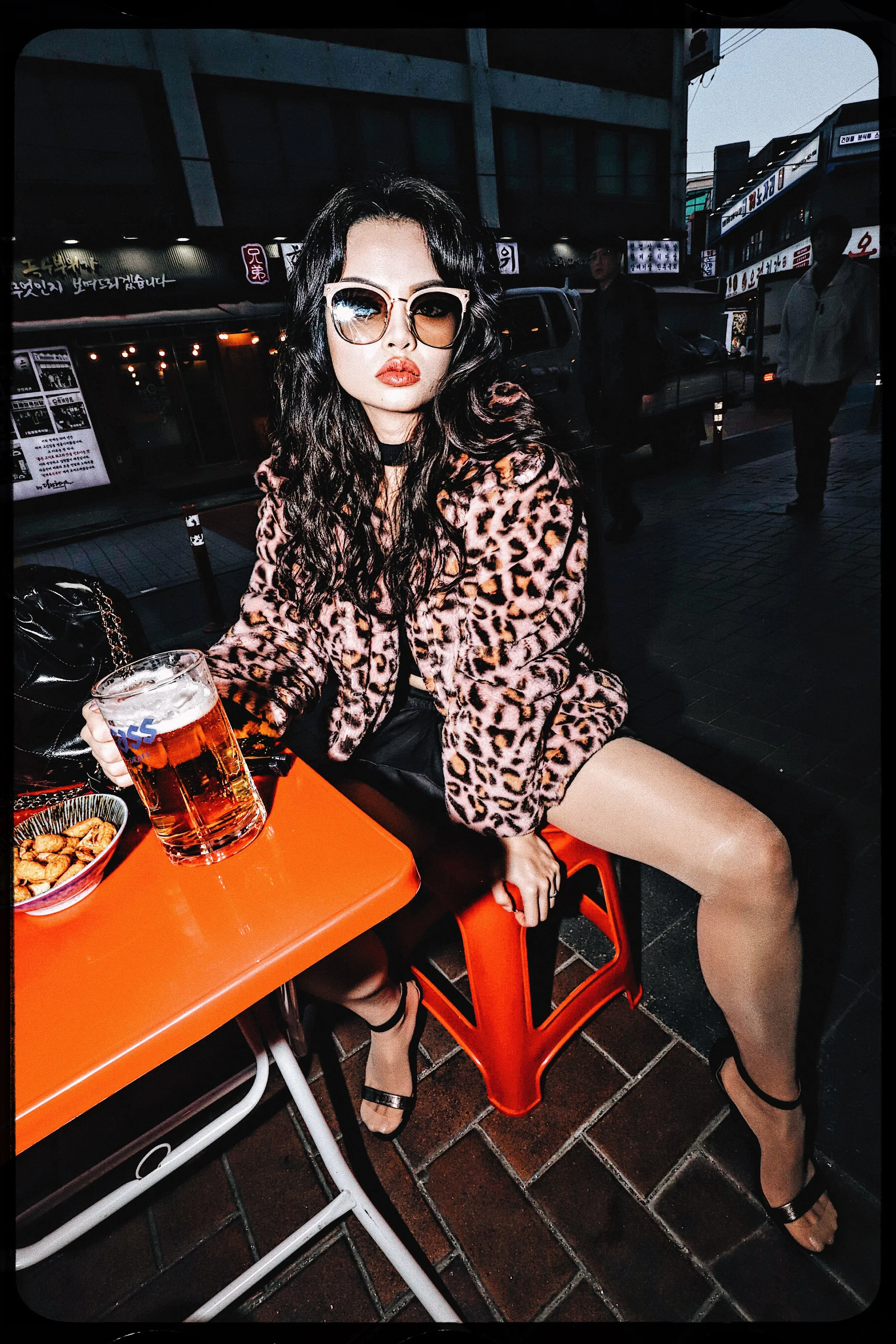
How to Have a Truly SEOULACIOUS Time in Seoul
Forget the Top 5 lists. Learn ethnographic touring—the 150-year-old methodology that reveals Seoul's real cultural rhythms through participant observation, systematic field notes, and Baudelairean wandering. From positivist tourism to embodied knowledge, discover why duration beats verification and how to access the Seoul that algorithms literally cannot see.
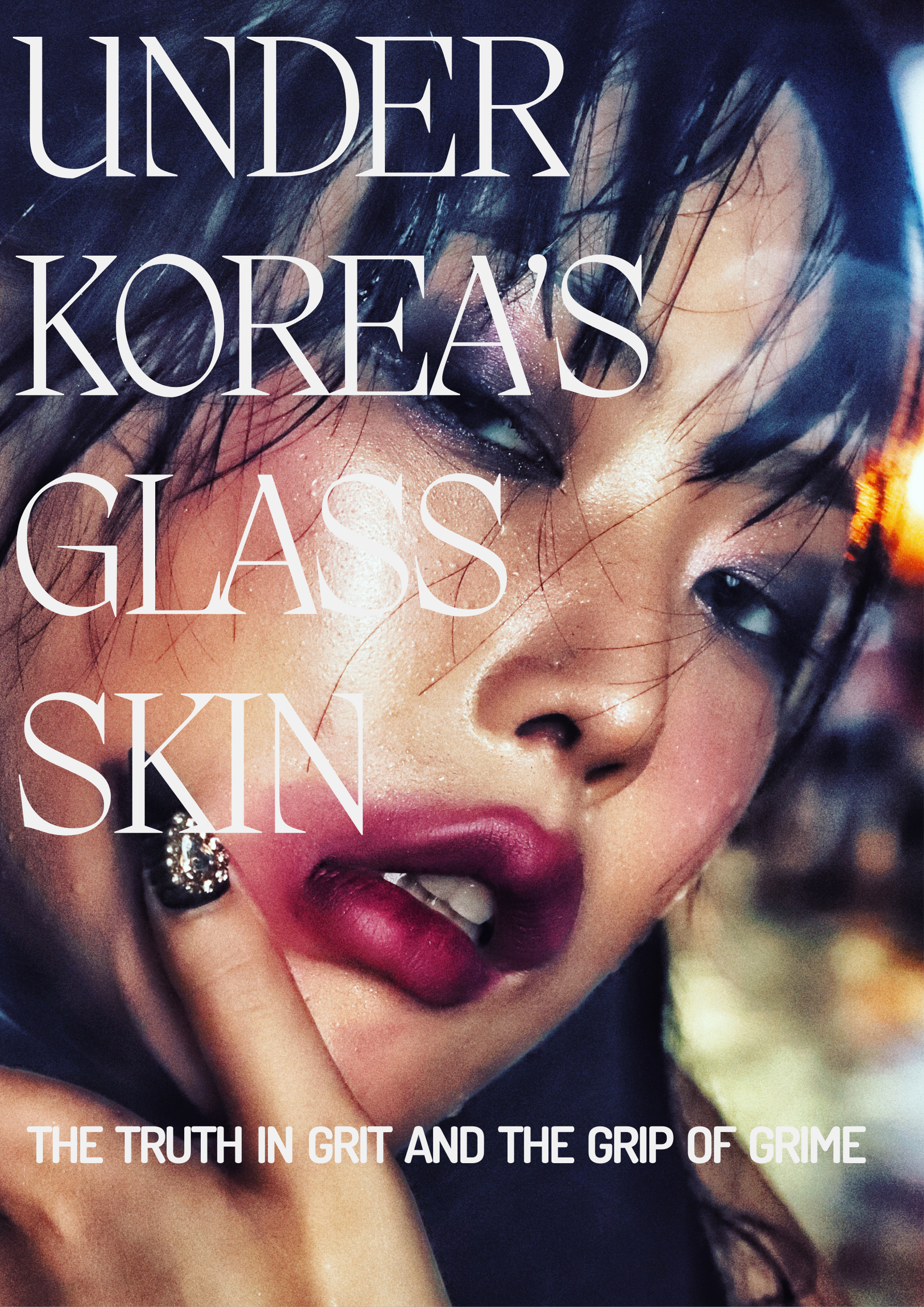
Under Korea's Glass Skin: The Truth in Grit and the Grip of Grime
Korea exports K-pop perfection and glass-skin beauty, but what actually makes Korean culture stick isn't the polish—it's the grime. This deep dive explores toepemi (decadent beauty) and jolbakmi (rough beauty), two Korean aesthetic concepts that reveal why friction creates cultural grip where smooth surfaces just make it slip. From PSY's "Gangnam Style" satire to Squid Game's desperate grime, from Euljiro's industrial decay to the neuroscience of why imperfection catches while perfection slides past—discover how Korean culture's truth lives in its texture, not its shine. Why did Cool Japan fail while the Korean Wave stuck? The answer is in the catch mechanism.
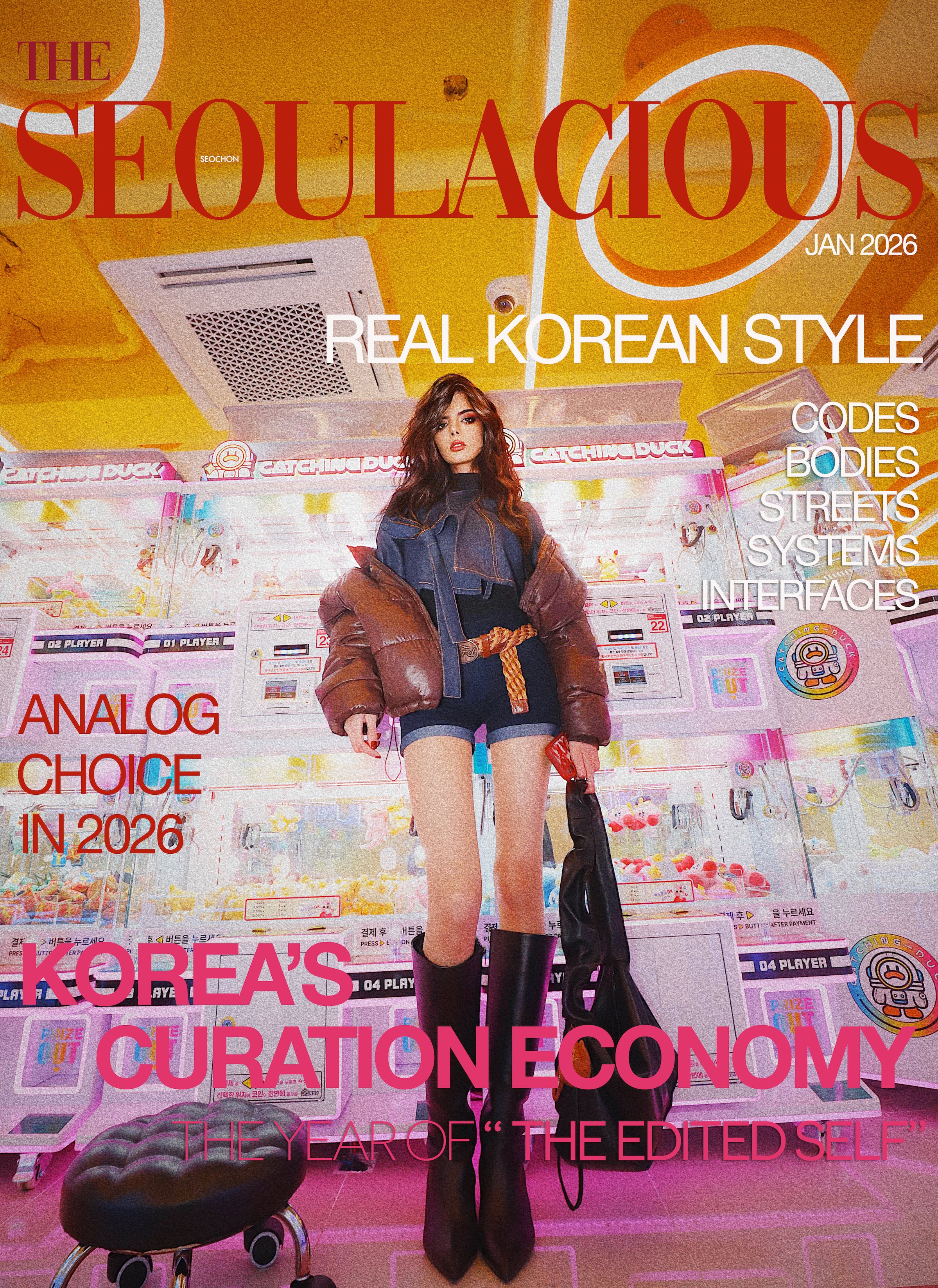
Korea's Curation Economy
Depop's 2026 "Edited Self" report confirms what Seoul's claw machine arcades and café culture have demonstrated for years: Gen Z is rejecting algorithmic fashion for intentional curation. With 78% of young consumers repeating outfits and calling it "freeing," the global shift from trend-chasing to deliberate choosing plays to Korea's core strength—not producing fashion content, but curating it.
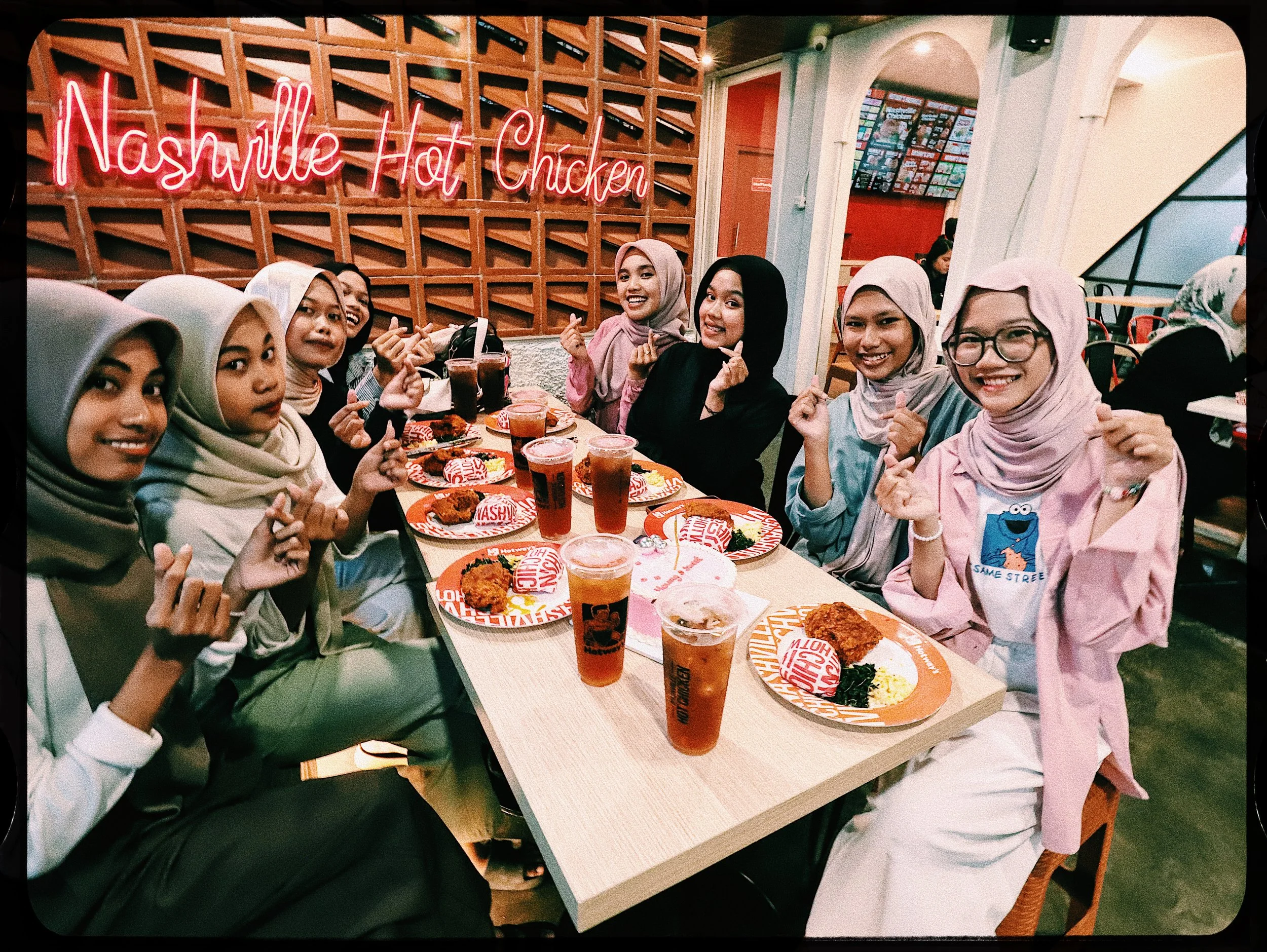
The "Korean Waved Hijab" That Isn't Actually Korean
Korean soft power is so effective that Indonesian Muslim women label Turkish draping techniques, Malaysian styling traditions, and global color trends as "Korean"—not because they're confused, but because Korea has become THE cultural authority for what modern fashion looks like. This reveals how 21st-century cultural influence actually works, and it's more powerful than simple content export.
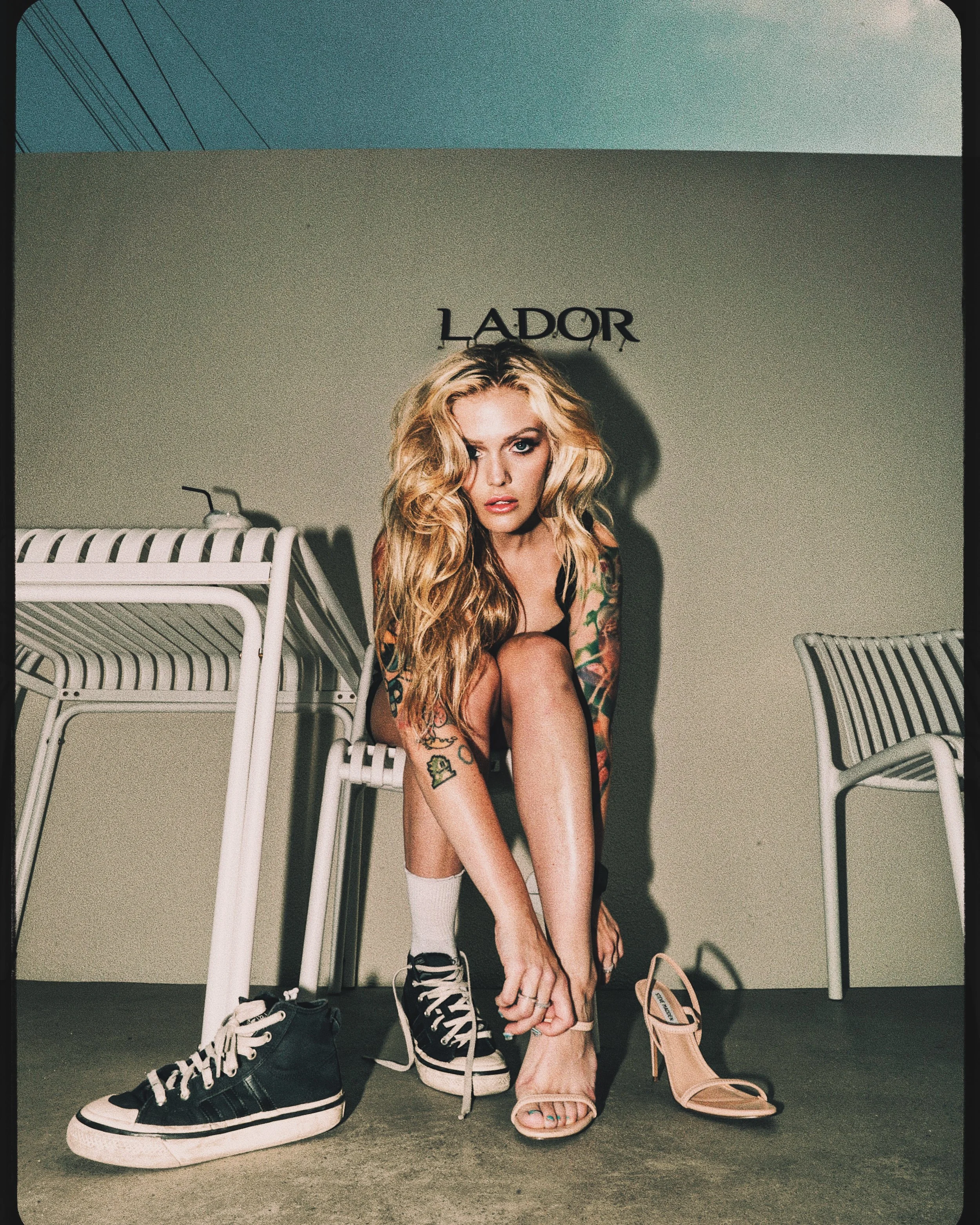
The Machine That Eats Neighborhoods Wholesale: How Korean Redevelopment Actually Works
Seoul's redevelopment system (재개발, jaegaebal) displaces entire populations every 30-40 years through forced demolition and wholesale neighborhood replacement. From the violent 1988 Sadang evictions documented in the award-winning film Sanggyedong Olympics to today's Seongsu-dong clearances, Korea's unique urban transformation machine prioritizes property values over community survival. This investigation reveals how the legal framework that demolished 200 neighborhoods for the 1988 Olympics continues to erase Seoul's most vibrant districts—including the 50+ workshops, cafés, and galleries that made Seongsu a global "hot place." Unlike Western gentrification, Korean redevelopment (재개발) doesn't gradually displace residents—it replaces populations wholesale, transforming industrial heritage and creative clusters into identical apartment towers. The system that filmmaker Kim Dong-won risked persecution to document in the 1980s is demolishing Seoul's urban interface singularities today.

"The Hungry Profession": Inside Korea's Senior Modeling Money Machine
Korea's senior modeling industry generates 60-70% of revenue from training fees while models earn almost nothing. Even celebrity model Kim Chil-doo admits he needs taxi work to survive. Investigation reveals the economics behind the "open wallets" phenomenon exploiting wealthy retirees.
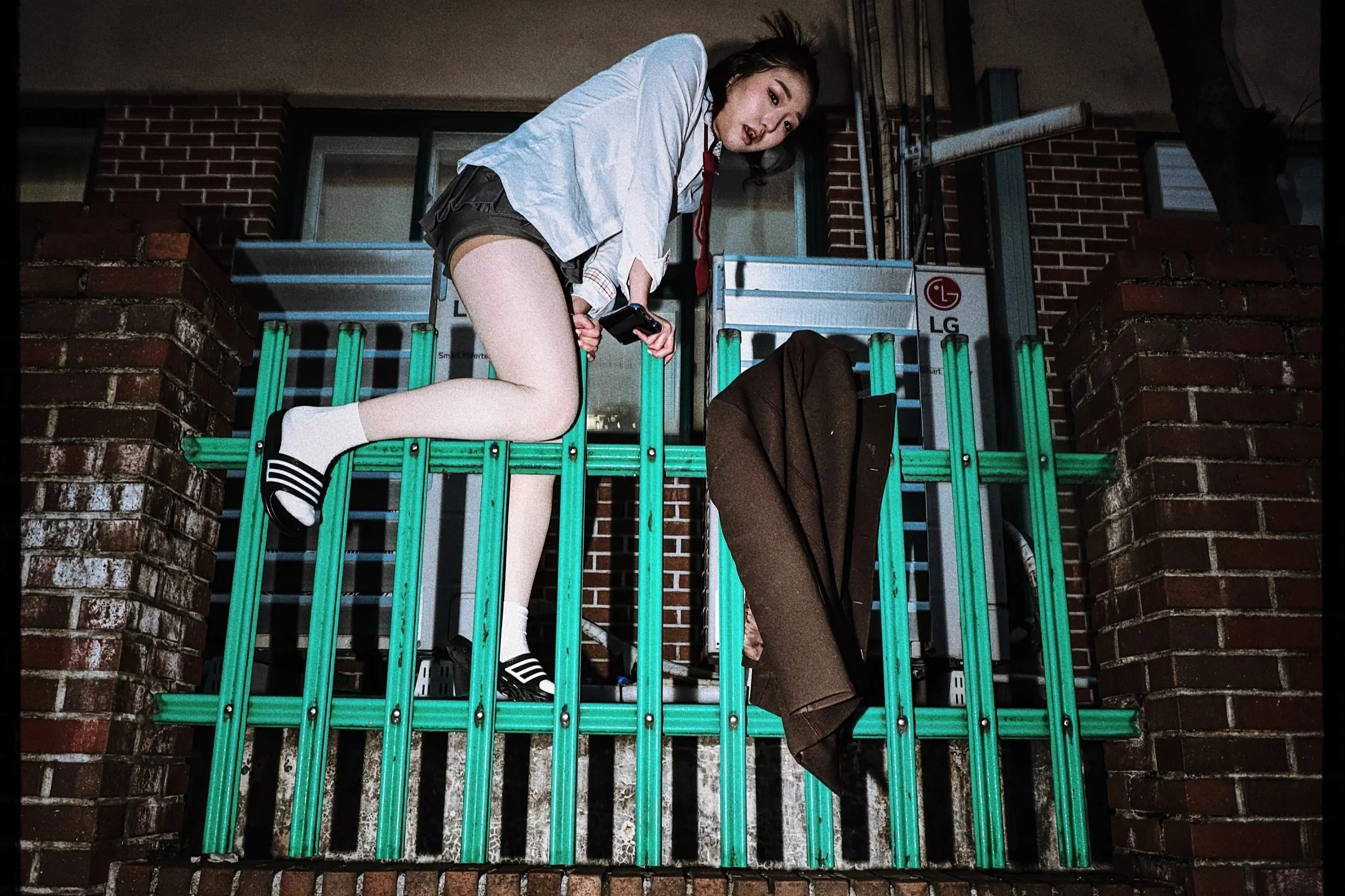
Who Owns the Teenage Girl? Inside Korea's School Uniform Wars
When K-pop giants NewJeans and ILLIT went to court over the "schoolgirl aesthetic," it exposed how Korean school uniforms evolved from conformity tools to billion-won IP. From 1990s Tokyo kogal rebellion to 2024 Seoul lawsuits, this deep dive traces how institutional garments became contested cultural capital—and what it means for the teenage girls actually wearing them.

Are You Teto or Egen? Korea's New Gender Energy Is Rewriting How We Perform Identity
Over 1.16 million Koreans have taken the test. K-pop fans are categorizing every idol. And Korean Gen Z just solved a problem about gender performance that Western culture is still struggling to articulate—all through a personality quiz that went viral on social media.

Seoul's Hot Places Are the Black Holes You Thought They Were: How They Make Invisible Forces Visible
Climate change. Global capitalism. Digital culture. The forces shaping our lives are too vast to see—until you walk into a Seoul café. How the world's most interface-dense city turns invisible hyperobjects into Instagram-worthy hot places, one converted factory at a time.
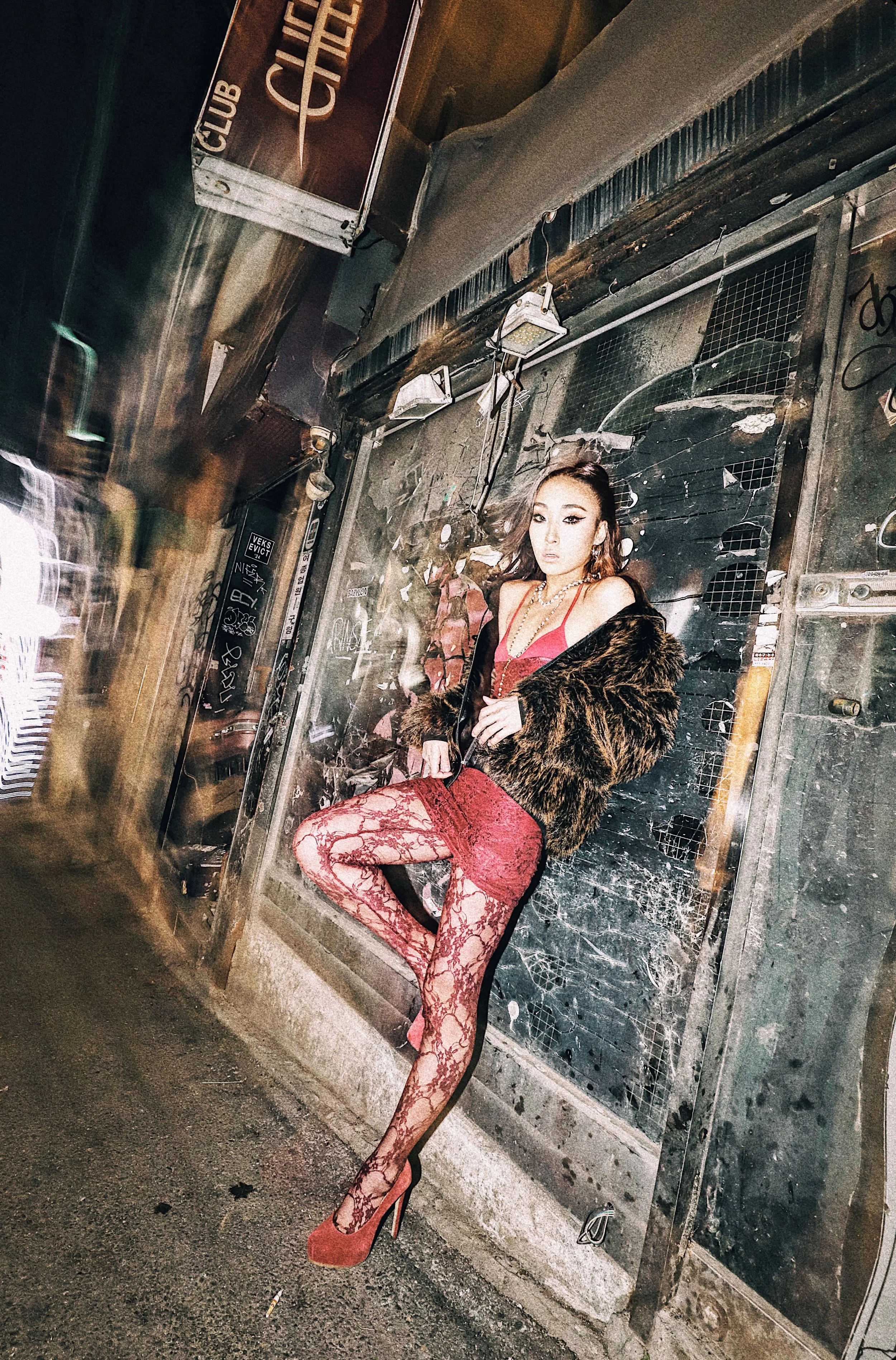
What you need to know about
The Neighborhoods of Seoul
Itaewon — from GI playground to global mecca.
Subscribe to our newsletter.
Sign up with your email address to receive news and updates.