
Think sharp. Look smart. Act sexy.
Be Seoulacious.
Summer 2026
“A Swiftly
Tilting City”
How Seoul Got Truly Hot and Global
Summer 2026
The Duck Ain’t for You
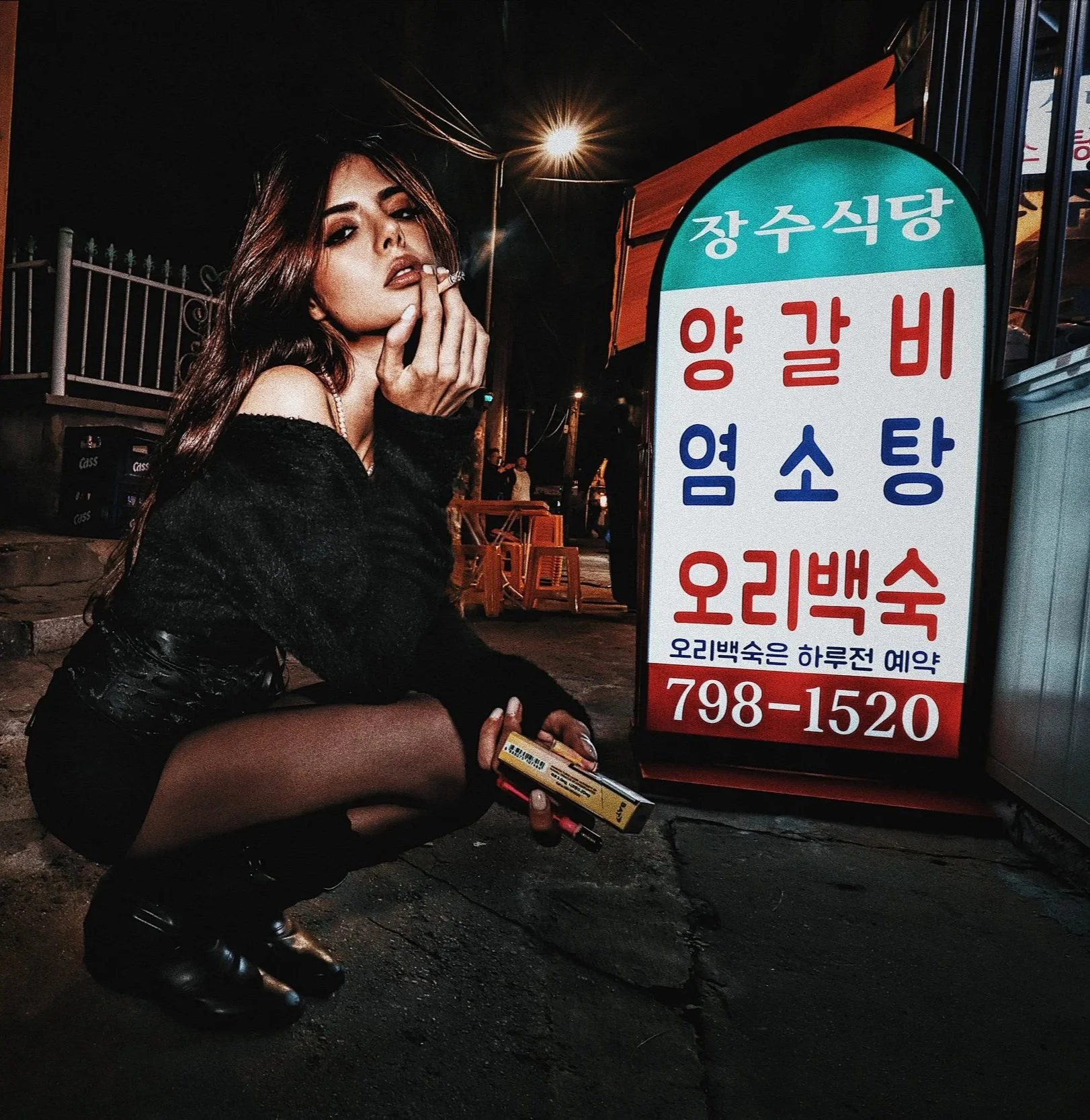
You arrive believing in a certain kind of Korea, and the camera goes shopping for proof. This essay starts with a Seoul alley, a night, a model in knee-high boots, and a sign for duck soup that most visitors can’t read. It uses John Berger’s Ways of Seeing and the Korean art of nunchi (눈치) to ask a simple question: who is a picture for? Along the way it covers stamina food, dog-soup history, ghost signs, the gaze, and why every girl at Samgakji Station seems to be wearing the same boots.

The Phantasmic Girls of Korea
Korea didn't just export K-pop — it manufactured a specific, industrially concentrated version of femininity, stripped of national markers so completely that women with zero Korean heritage now live inside it as their own identity. Drawing on girls' studies and cultural theory, this piece traces how "the girl" became Korea's most successful export — and what that means for the women, and men, the machine keeps rebuilding.

Pretty Is a Brand Now: A Short History of "Seongsu"
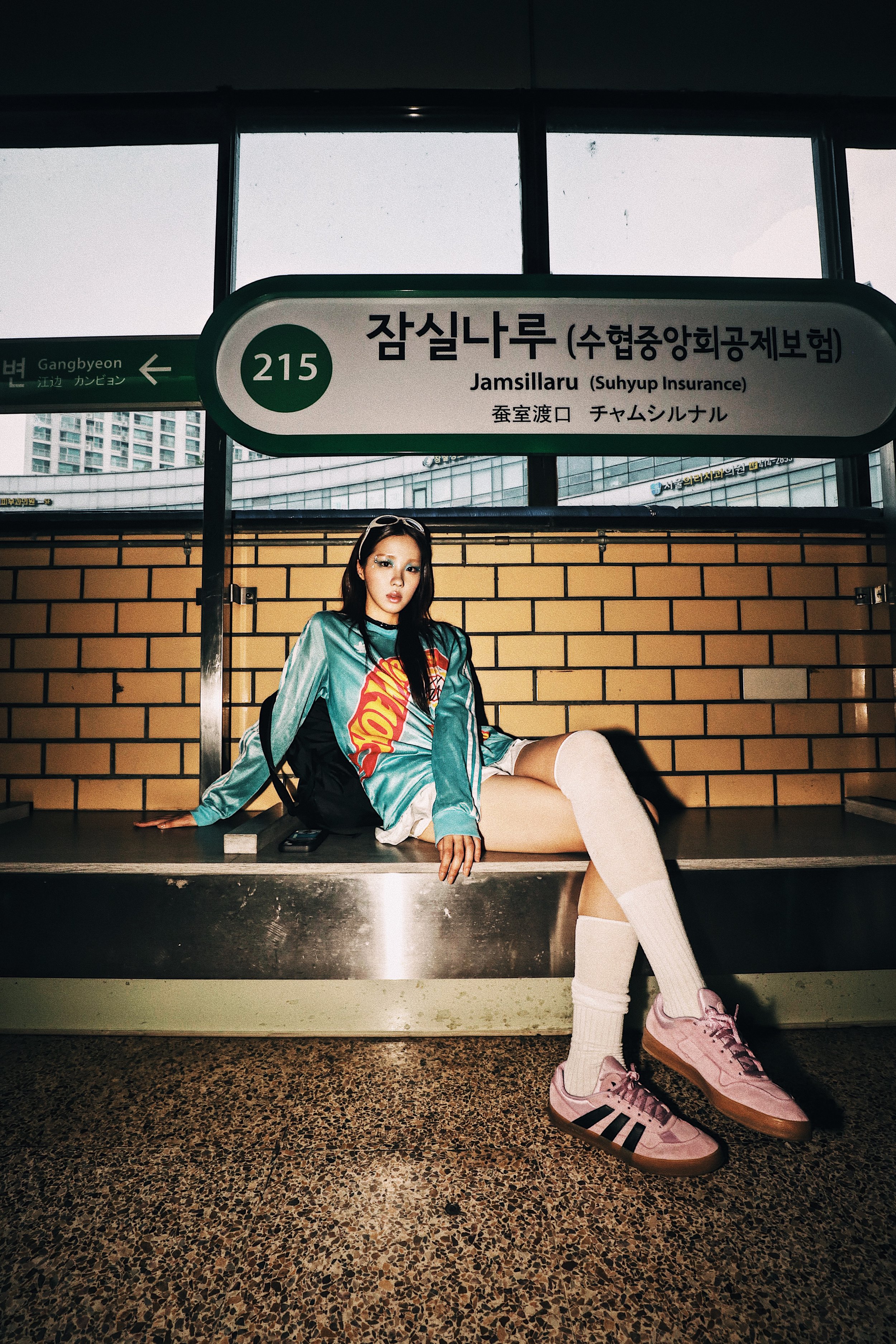
A district government branded the look. A platform paid 329 million won for a subway station's name. A German company opened a flagship it's calling a homecoming. One photo shoot walked through all three — then got on a train to the one stop in Seoul nobody's found a way to sell yet.

The Outfit That Doesn't Want You to See It — Until It Does
꾸안꾸 (gguan-ggu) isn't effortless style — it's a three-stage social performance that hides effort, performs ease, then delivers a calculated close-range reveal. FashionChingu calls it a trend. A sociologist with 127 interviews and 37 seasons at Seoul Fashion Week calls it a theory of power. Here's what the listicles missed.

ATTACK OF THE 50-BILLION-WON SPACESHIP!!! Or, the New Cultural Vandalism Dressed Up as Policy
Seoul politicians want to demolish Zaha Hadid's DDP—the world's largest parametric building and her final masterwork. Why architectural vandalism is becoming election strategy.

Korea's Curation Economy
Depop's 2026 "Edited Self" report confirms what Seoul's claw machine arcades and café culture have demonstrated for years: Gen Z is rejecting algorithmic fashion for intentional curation. With 78% of young consumers repeating outfits and calling it "freeing," the global shift from trend-chasing to deliberate choosing plays to Korea's core strength—not producing fashion content, but curating it.

The "Korean Waved Hijab" That Isn't Actually Korean
Korean soft power is so effective that Indonesian Muslim women label Turkish draping techniques, Malaysian styling traditions, and global color trends as "Korean"—not because they're confused, but because Korea has become THE cultural authority for what modern fashion looks like. This reveals how 21st-century cultural influence actually works, and it's more powerful than simple content export.

Are You Teto or Egen? Korea's New Gender Energy Is Rewriting How We Perform Identity
Over 1.16 million Koreans have taken the test. K-pop fans are categorizing every idol. And Korean Gen Z just solved a problem about gender performance that Western culture is still struggling to articulate—all through a personality quiz that went viral on social media.

The Korean “Long Padding” Thing Is Already Over.
The Korean ‘long padding” trend has beenover for years. You just haven’t noticed yet since the coats are still out there, still in service. But new coats are shorter yet still serving their warming function.

The ₩82 Trillion Woman: Why Korean Fashion Finally Noticed Who Actually Buys the Clothes

The Power of “Pretty”: How Apple Went From Obscure Print Shop Tool to Korea's Most Coveted Object
This is the story of how a luxury foreign brand captured an entire generation of young Korean women by being expensive, starting from the most unlikely place: the cramped print shops of 1980s Euljiro.

The Coffee Republic: Inside Korea's Female-Powered Café Revolution
From King Gojong's first sip in 1896 to today's Instagram café empires, Korea transformed into the planet's third-largest coffee market—driven by female consumers whose choices reshaped entire neighborhoods and sparked a national reckoning about gender, class, and what it means to be modern.

The Tattoo Artist Who Broke the Law 20,000 Times
When one in four Koreans had tattoos while tattooing remained illegal, something had to break—and on September 25, 2025, Korea's National Assembly voted 195-0 to end the 33-year absurdity that made BTS's tattoo artists criminals while their work shaped global aesthetics.

How Korea Made Garter Stockings Street Legal
The punk accessory from Balenciaga runways landed in Hongdae alleys—and nobody's asking permission anymore.
What you need to know about
The Neighborhoods of Seoul
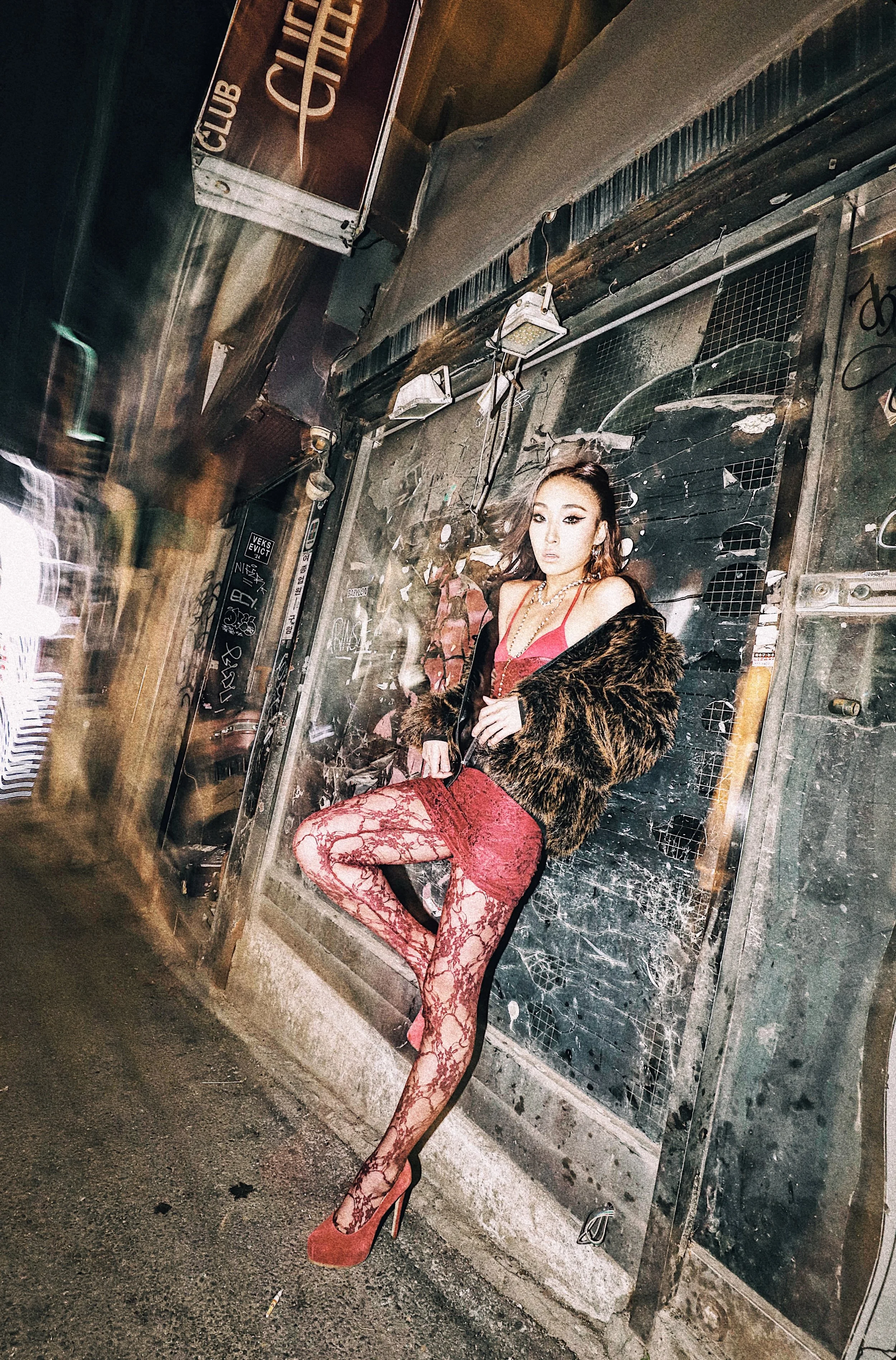
Itaewon — from GI playground to global mecca.
Subscribe to our newsletter.
Sign up with your email address to receive news and updates.